Utica’ Trusted Choice
Floor Break Services for Plumbing Repairs in Utica, MI
Nobody wants to hear they need their basement floor broken up. But when you’ve got pipes buried under your concrete that are leaking or broken, it’s the only way to fix the problem properly.
At Drain Masters Rooter Plumbing, we handle floor breaks for homeowners throughout Utica, MI who are dealing with under-slab plumbing problems. We’re plumbers who also do the concrete work. That means you don’t need to hire multiple contractors or coordinate between a plumber and a concrete company. We handle everything from start to finish.
Book Your Free Plumbing Consultation
Got a plumbing issue or need a quote? We’re here to help. Contact Drain Masters Rooter Plumbing today for a no-obligation consultation.
What Is a Floor Break?
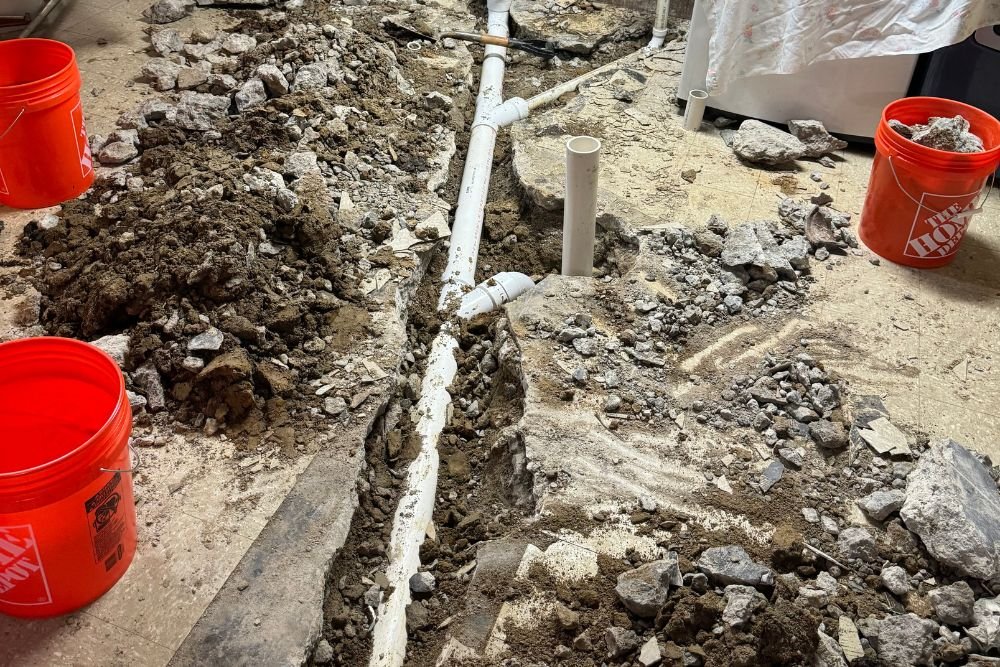
A floor break is exactly what it sounds like. We cut through and remove sections of your concrete basement floor to access the plumbing underneath. Once we repair or replace the damaged pipes, we restore your floor with new concrete.
Most homes in Utica built in the 1950s, 60s, and 70s have some plumbing running under the basement slab. Water supply lines, drain lines, and sometimes even the main sewer line pass beneath the concrete before heading out to the street. When those pipes fail, you can’t just snake them or patch them. You need direct access, which means breaking through the floor.
Signs You Might Need a Floor Break
How do you know if you’ve got a problem with pipes under your basement floor? Here are the warning signs:
Water pooling on your basement floor. If you’ve got standing water or wet spots on your concrete that won’t dry, especially near the middle of the floor where there aren’t any walls or fixtures, you probably have a leak underneath.
Damp concrete that never fully dries. Some slab leaks are slow. The water doesn’t puddle on top. Instead, it keeps your concrete damp and creates a musty smell in your basement.
Warm spots on your floor. Run your hand across your basement floor. If you find areas that are noticeably warmer than the rest, you’ve likely got a hot water line leaking underneath. The hot water warms the concrete above it.
Low water pressure throughout your house. When a water supply line under your slab develops a leak, water escapes before it reaches your fixtures. Your pressure drops, and you might notice weaker flow from faucets and showers.
Your water bill jumped for no reason. A buried leak can waste hundreds of gallons of water without you seeing a drop of it. If your water bill suddenly increased but your usage didn’t change, you might be losing water under your slab.
Hearing water running when nothing’s on. Turn off all the water in your house. If you can still hear water running, you’ve got a leak somewhere. If it sounds like it’s coming from under the floor, that’s your answer.
Cracks appearing in your basement floor. Water leaking under your slab can wash away the soil underneath. Without support, your concrete cracks and can even start to heave or settle.
Mold or mildew on your basement floor. Constant moisture from an under-slab leak creates perfect conditions for mold growth on your concrete surface.
Sound familiar? These problems don’t fix themselves. They just get worse and more expensive.
Why Do Under-Slab Pipes Fail?
In older Utica homes, the pipes buried under basement floors are reaching the end of their lifespan. Here’s what causes them to fail:
Age and Corrosion
Copper water lines installed in the 1960s and 70s are 50-60 years old now. Copper eventually corrodes, especially in Michigan where soil conditions can be aggressive. Pinhole leaks develop in the pipe walls and slowly get bigger.
Cast iron drain lines corrode even faster. The insides rust and deteriorate until the pipe literally falls apart.
Ground Movement
Michigan’s freeze-thaw cycles affect everything underground. When the ground freezes and expands, then thaws and contracts, it shifts. Pipes buried under your slab move with the soil, and that constant flexing can crack them or separate joints.
Settling is also common in older homes. As your foundation settles over decades, pipes can bend, crack, or develop stress points that eventually leak.
Electrolysis
This is a sneaky one that affects copper pipes. When dissimilar metals in your plumbing system come into contact, it creates a small electrical current that eats away at the copper. Over time, this creates holes in the pipe.
Poor Original Installation
Not all plumbing work from 50+ years ago was done properly. Some pipes were installed with poor support, inadequate slope for drainage, or in direct contact with harsh materials that speed up corrosion.
How We Handle Floor Breaks in Utica
We’ve done hundreds of floor breaks for homeowners throughout Utica and Macomb County. Here’s our process:
Step 1: Leak Detection
Before we break any concrete, we need to find exactly where the problem is. We use electronic leak detection equipment to pinpoint the location of the leak without guessing.
For water line leaks, we use listening devices that pick up the sound of water escaping under pressure. For drain line problems, we run a camera through the line to see exactly where it’s damaged.
This step saves you money. We only break what we need to break. No exploratory demolition, no guesswork.
Step 2: Marking the Cut
Once we know where the leak is, we mark out the area we need to remove. We keep this as small as possible while still giving us room to work. Typically, we’re cutting out a section anywhere from 3×3 feet to 4×6 feet depending on what we need to access.
Step 3: Concrete Cutting
We use professional concrete saws with diamond blades to make clean, straight cuts through your floor. This is way better than just smashing it with a jackhammer, which can crack the surrounding concrete.
We control dust with our equipment as much as possible. This part is messy no matter what, but we do everything we can to contain it to the work area.
Step 4: Concrete Removal
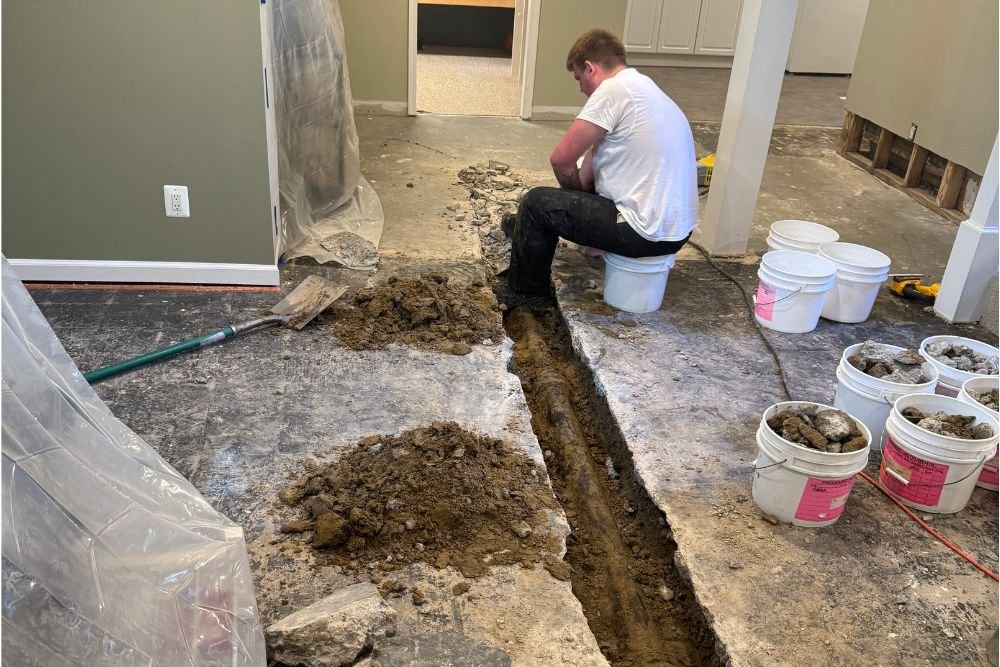
After cutting, we use jackhammers to break up the concrete inside the cut lines. Then we haul it out in pieces. Concrete is heavy. A 4×4 section of 4-inch concrete can weigh 200+ pounds.
We dispose of all the concrete debris. You don’t have to worry about getting rid of it.
Step 5: Excavation
Under your concrete floor, there’s typically 4-6 inches of gravel and then soil. We dig down to expose the damaged pipe, usually 18-24 inches below the surface of the concrete.
Step 6: Plumbing Repair
Now we can finally fix the problem. Depending on what we find, we might:
- Cut out the damaged section and replace it with new pipe
- Reroute the line if the damage is extensive
- Replace a longer section if multiple areas are corroded
- Install new fittings and connections
For water lines, we always pressure test after the repair to make sure there are no other leaks before we cover everything back up.
For drain lines, we run water through them and sometimes do a camera inspection to confirm everything flows properly.
Step 7: Backfill and Prep
Once the plumbing is fixed and tested, we backfill the excavation with gravel and compact it thoroughly. Proper compaction prevents the concrete from settling later.
We make sure everything is level and ready for the new concrete pour.
Step 8: Concrete Restoration
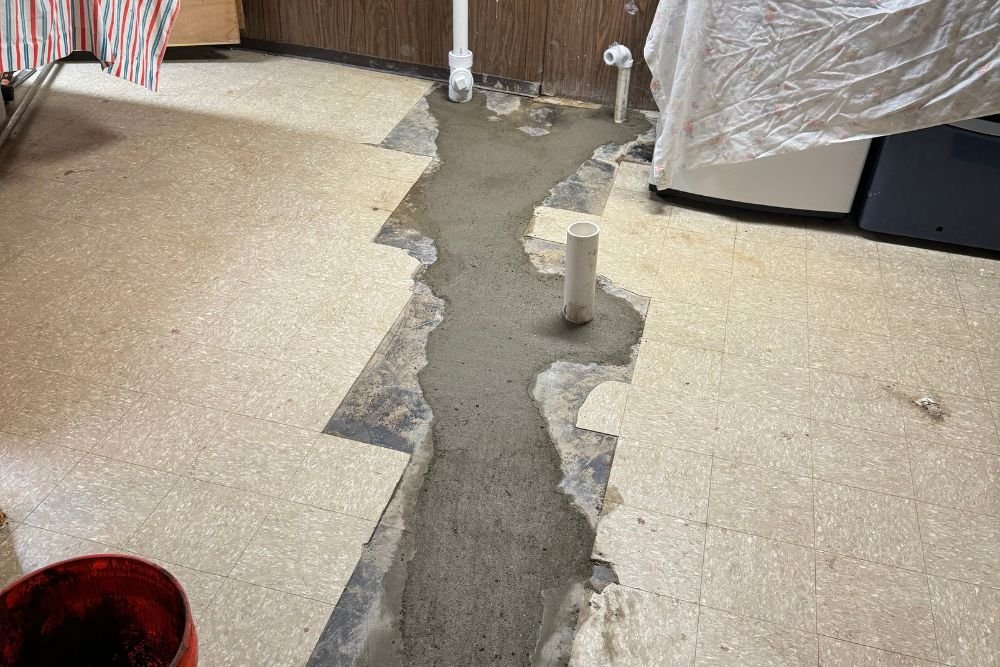
We pour new concrete to match the thickness of your existing floor. For most residential basements, that’s 4 inches. We use rebar or wire mesh for reinforcement, just like the original slab.
We finish the surface to match your existing concrete as closely as possible. If your basement floor has a smooth trowel finish, we’ll match that. If it’s a rougher broom finish, we’ll match that instead.
Step 9: Curing and Cleanup
Concrete needs time to cure. You can usually walk on it after 24 hours, but it takes several days to reach full strength. We’ll tell you exactly when you can move furniture back or put weight on the repaired area.
We clean up all the dust and debris before we leave. Your basement won’t look like a construction zone when we’re done.
Why You Need a Plumber Who Does Concrete Work
A lot of plumbers will tell you they need to break your floor, then say “but we don’t do concrete, so you’ll need to hire a concrete guy separately.”
That creates problems for you:
- You’re coordinating two different contractors
- The plumber might break more concrete than necessary because they’re not the ones fixing it
- The concrete guy shows up days or weeks later
- If something goes wrong with the plumbing after the floor is restored, you’re back to square one
- You’re paying two different companies
We do both. One call, one contractor, one warranty. We break what we need to break, fix the plumbing right, and restore your floor properly. If there’s ever a problem with our work, you’ve got one number to call.
How Much Does a Floor Break Cost?
This varies based on several factors, but here’s what affects the price:
Size of the area. Smaller areas cost less. If we only need to break out a 3×3 section, that’s obviously cheaper than a 6×8 area.
Depth and accessibility. Most under-slab plumbing is 18-24 inches down. Deeper pipes require more excavation and cost more.
Type of plumbing repair. Fixing a simple leak in one spot costs less than replacing 20 feet of corroded pipe.
Concrete thickness and reinforcement. Thicker concrete with heavy rebar reinforcement takes longer to cut and remove.
Finished vs unfinished basement. If your basement is finished, we might need to remove flooring or move finished walls. This adds time and cost.
Emergency vs scheduled service. If your basement is flooding and you need help immediately, emergency service costs more than a scheduled appointment.
For most residential floor breaks in Utica, homeowners spend between $1,500 and $4,000 for the complete job including plumbing repair and concrete restoration. Larger or more complex jobs can run higher.
We provide written estimates before we start any work. You’ll know exactly what you’re paying for.
Can You Just Reroute the Pipes Instead?
Sometimes, yes. If the damaged pipe is near a wall, we might be able to reroute new pipes through or along the wall instead of breaking the floor. This works great when it’s an option.
But rerouting isn’t always possible. If the leak is in the middle of your basement floor, far from any walls, there’s no way to reroute around it. You’ve got to go through the floor.
For main drain lines or sewer lines, rerouting usually isn’t practical. These pipes need specific slopes and routes to work properly. We can’t just run them wherever we want.
We’ll always look for alternatives before breaking concrete. If there’s a better way, we’ll tell you. But if floor breaking is the only real solution, we’ll explain why.
What About Epoxy Lining?
Epoxy pipe lining is a technology that coats the inside of pipes to seal small leaks without excavation. It works great for accessible pipes like sewer lines and drain lines.
But for pipes under your slab, epoxy lining has limits. If the pipe is severely corroded, crushed, or has multiple breaks, lining won’t help. And for water supply lines under pressure, lining isn’t as reliable as replacement.
In some cases, especially for under-slab drain lines that are corroding but not yet fully broken, epoxy lining might be an option worth considering. We’ll let you know if your situation is a good candidate.
Homes in Utica Most Likely to Need Floor Breaks
Based on what we see in the field, these are the homes most at risk:
Ranch homes built in the 1950s-1970s. These homes typically have all their plumbing under the basement slab. The pipes are 50-70 years old and reaching the end of their lifespan.
Homes in older Utica neighborhoods. Downtown Utica, properties along Van Dyke Avenue, Auburn Road, and Ryan Road often have original plumbing from when they were built.
Homes with copper water lines. Copper was standard for decades, but it doesn’t last forever. If your home has original copper plumbing under the slab, you’re living on borrowed time.
Homes with cast iron drain lines. Cast iron corrodes badly over time. If you’ve got original cast iron under your basement floor, it’s probably in rough shape.
Split-level homes. These homes often have plumbing running under the lower level slab. When those lines fail, floor breaking is usually necessary.
Reviews
What Our Clients Say


Contact Info
Location
33044 Mound Rd
Sterling Heights, MI 48310
Phone
586-942-3330
Our Services
Our Plumbing Services in Sterling Heights
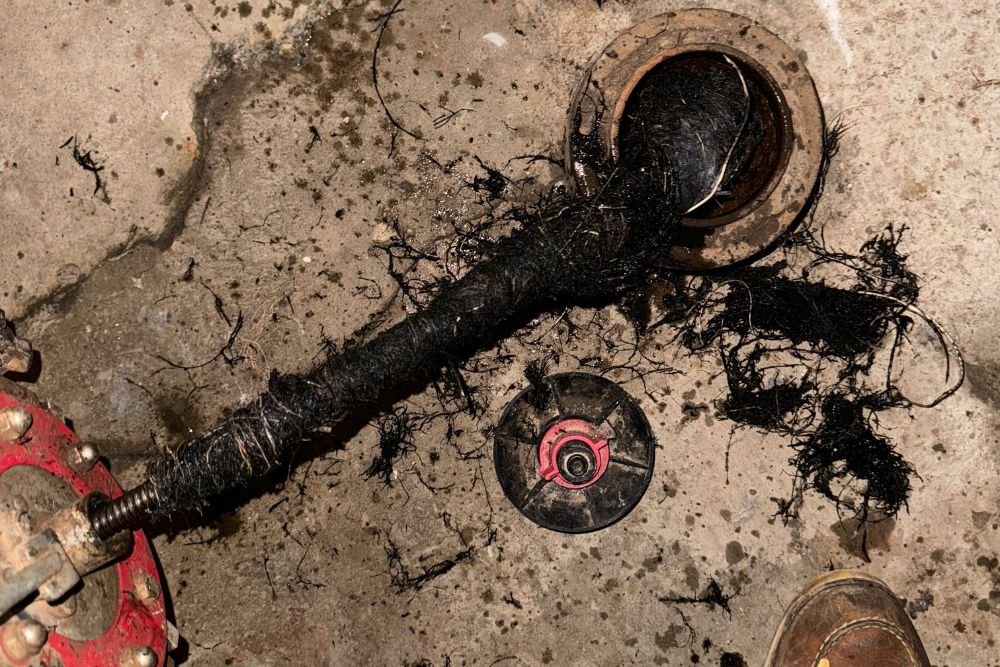
Drain Cleaning
Clogged drains are more than just an inconvenience—they can lead to costly damage if left untreated. Our expert plumbers use advanced tools to quickly and effectively remove blockages in sinks, tubs, and toilets. With routine drain cleaning, you can avoid backups and ensure your system flows smoothly year-round.
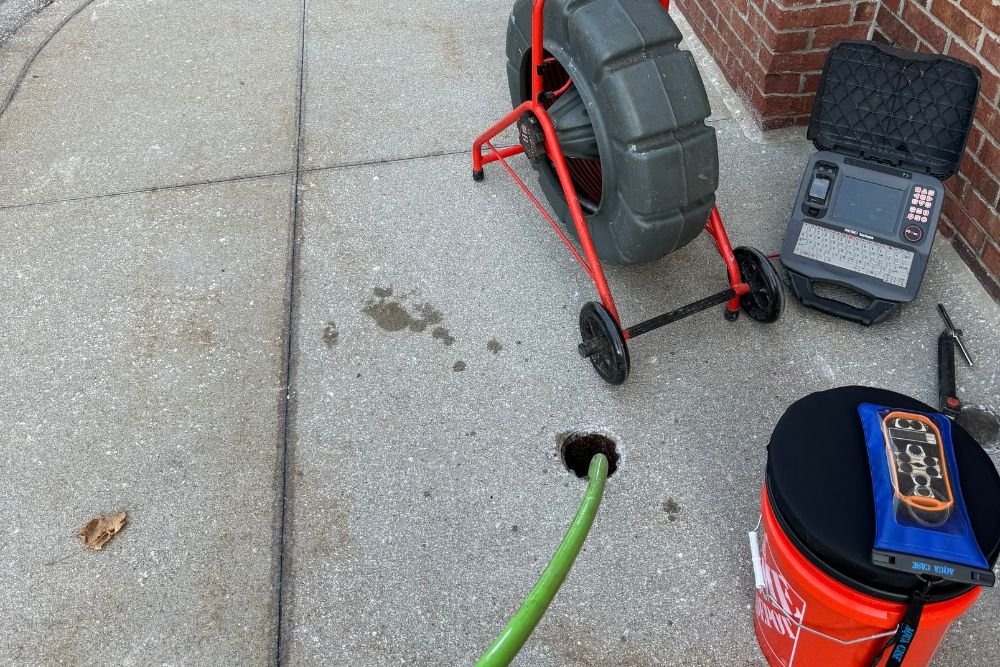
Jetting
When standard cleaning isn’t enough, high-pressure jetting gets the job done. We use state-of-the-art equipment to blast away grease, sludge, roots, and debris from inside your pipes. This powerful method not only clears current blockages but also helps prevent future clogs, making it an ideal solution for long-term plumbing health.
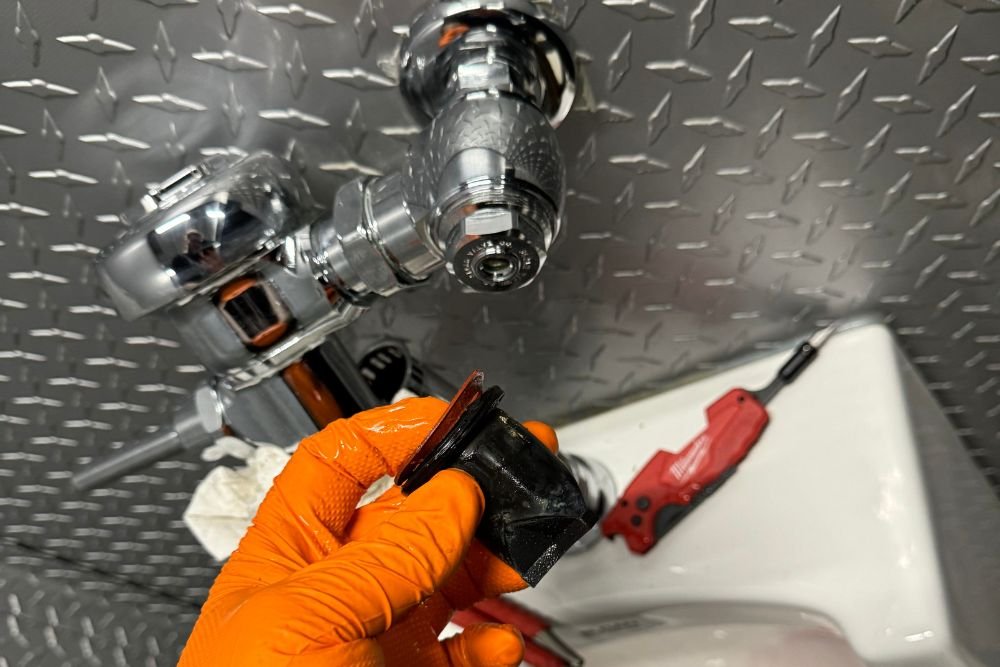
Plumbing
From leak repairs to repiping, our licensed plumbers provide reliable solutions tailored to your home or business needs. We offer a full spectrum of services, including drain cleaning, water heater installation, and emergency repairs, ensuring your system runs efficiently and reliably. Trust our experienced team for professional, high-quality plumbing work every time.
Sewer Repairs & Replacement
Sewer problems can disrupt your property and pose serious health risks if not handled quickly. At Drain Masters Rooter Plumbing, we specialize in repairing and replacing damaged sewer lines using both traditional and trenchless methods. Whether it’s root intrusion, cracked pipes, or a collapsed line, our team diagnoses the issue with precision and provides the most cost-effective, long-term solution.
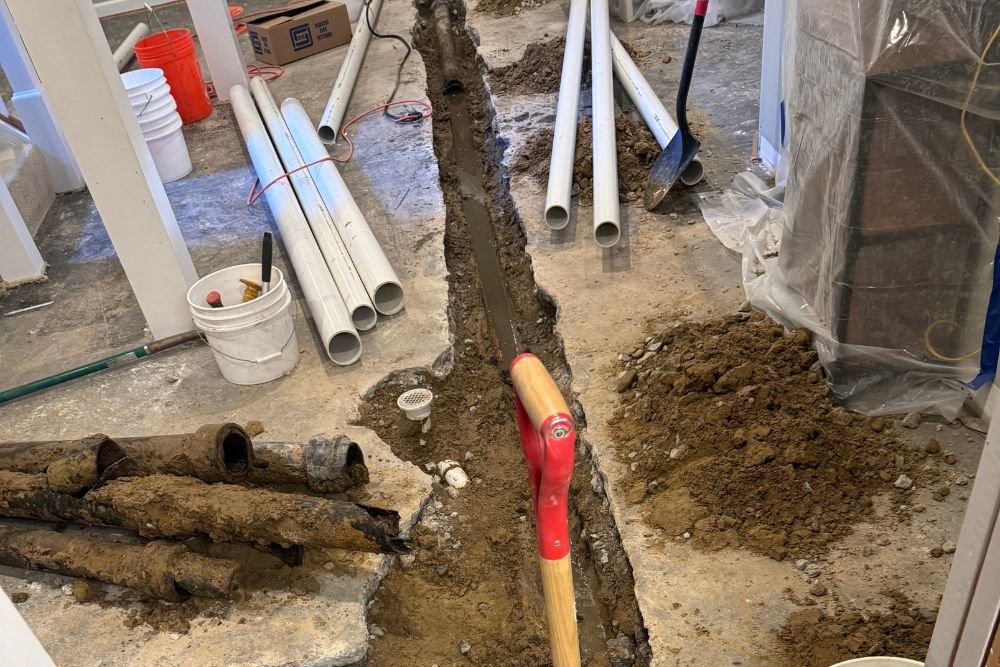
Floor Breaks
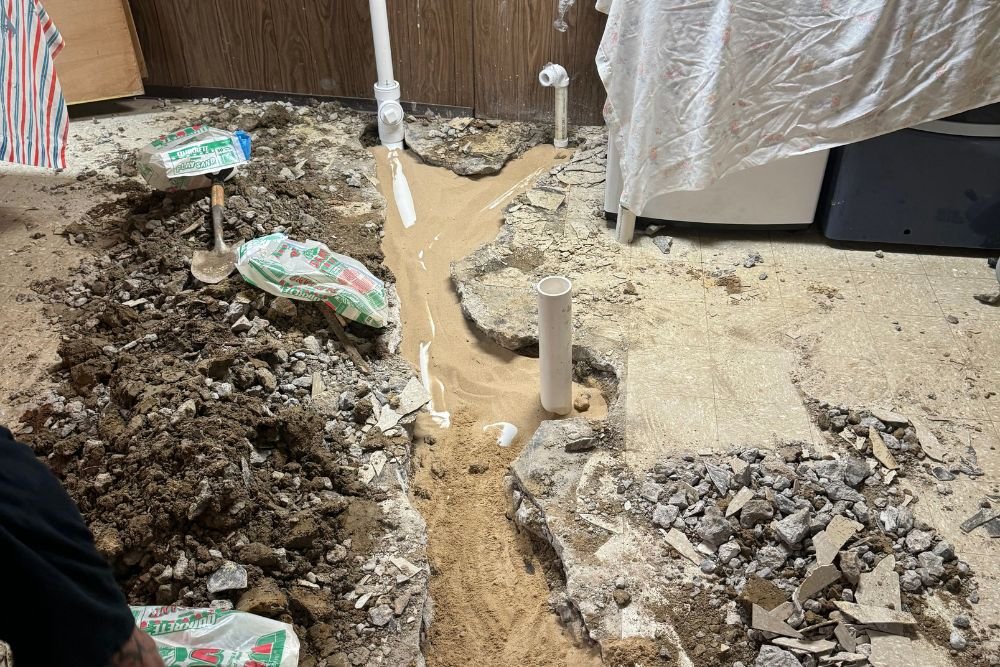
Some plumbing problems hide beneath concrete floors and require specialized access. Our expert floor break services provide safe, controlled openings to reach underground pipes without unnecessary damage. Using professional-grade cutting equipment, we minimize dust, debris, and disruption while exposing only the exact area that needs repair.
Camera Inspections with Video
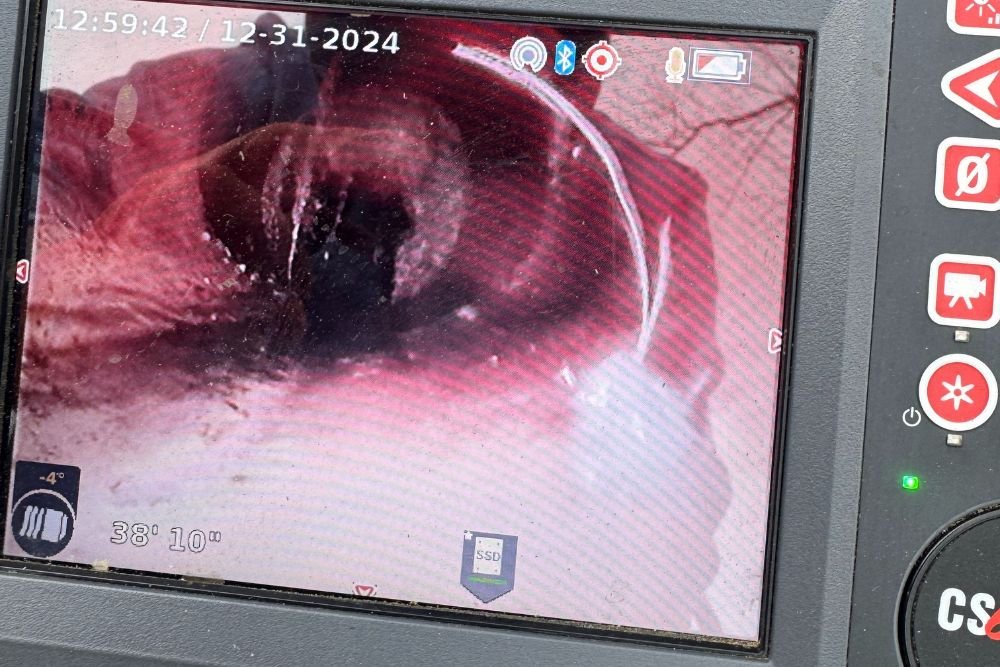
When it comes to plumbing problems, seeing is believing. Our advanced camera inspections provide a real-time, high-definition look inside your pipes, allowing us to identify clogs, cracks, leaks, or root intrusions with pinpoint accuracy. This non-invasive technology eliminates guesswork and prevents unnecessary digging or costly trial-and-error repairs.
Leak Detection
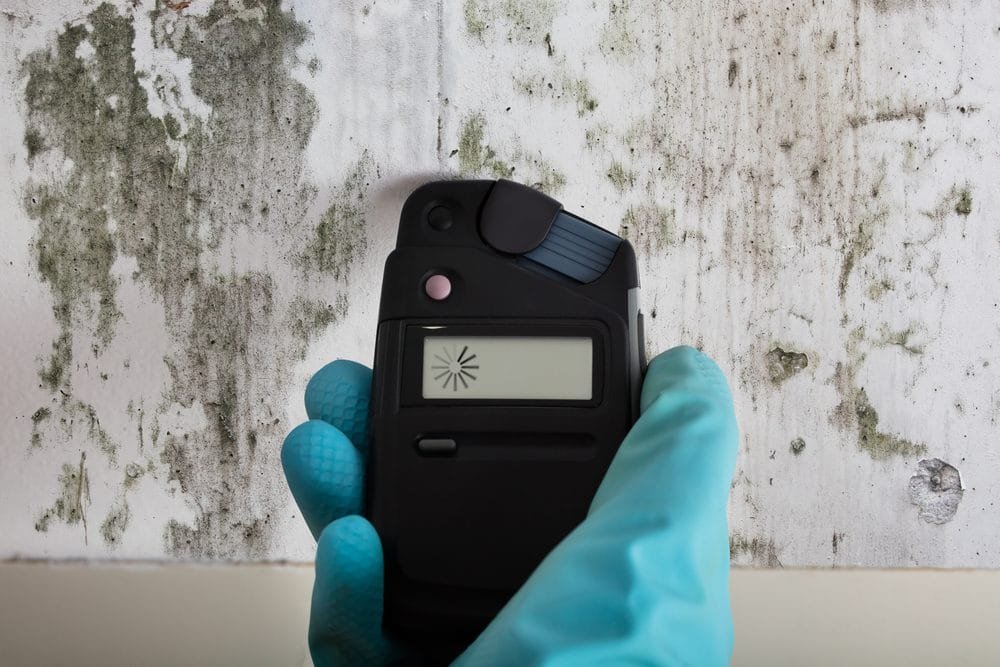
Leaks often remain hidden until they cause expensive water damage, mold growth, or high utility bills. Our leak detection service uses state-of-the-art technology—including electronic listening devices, moisture meters, and thermal imaging—to pinpoint leaks quickly without tearing into walls, floors, or ceilings.
Frequently Asked Questions About Floor Breaks In Utica
Q1. How long does a floor break and repair take?
Most floor break projects take 2-3 days from start to finish. Here’s the typical timeline:
Day 1: Leak detection, concrete cutting and removal, excavation, and plumbing repair. This usually takes 6-8 hours.
Day 2: We pour the new concrete. This only takes a few hours, but then the concrete needs to start curing.
Day 3: Final cleanup and any finishing touches.
The concrete needs 24-72 hours before you can walk on it normally. Full cure takes about 28 days, but you can use your basement normally after the first few days.
If your basement is actively flooding, we can get there faster and might be able to complete the plumbing repair the same day to stop the water.
Q2. Will my basement be a mess during the work?
We won’t lie. Breaking concrete is messy. There’s dust, noise, and debris. But we take steps to minimize the impact:
We use dust control on our concrete saws when possible. We put up plastic sheeting to contain dust. We vacuum and clean as we go. We haul away all debris daily.
You’ll want to move any furniture or belongings away from the work area before we start. If your basement is finished, we’ll protect floors and walls as much as possible.
The worst of the mess is the first day when we’re cutting and removing concrete. Once that’s done, the rest of the job is much cleaner.
Q3. Can I stay in my house during the work?
Yes. You don’t need to leave. The work is confined to your basement, and while it’s noisy during concrete cutting, it’s not unbearable for the rest of your house.
You’ll be able to use most of your plumbing normally. If we’re working on a water line, we might need to shut off your water for a few hours during the actual repair. We’ll coordinate that timing with you.
For drain line repairs, you can usually keep using your plumbing except for the specific fixture or area we’re working on.
Q4. How will you match my existing concrete?
We do our best to match your existing floor in terms of finish and level. The concrete color might not be a perfect match initially. New concrete is lighter than old concrete that’s been sitting for decades. Over time, the new section will darken and blend in better.
If you’ve got a specific finish you want to match, let us know. We can do smooth trowel finishes, broom finishes, or textured finishes.
The most important thing is that the new section is level with the surrounding floor. We pay close attention to getting the height exactly right so you don’t have a trip hazard or uneven surface.
Q5. What if the leak comes back after you fix it?
If our repair fails, we’ll come back and make it right under our workmanship warranty. We stand behind our plumbing repairs.
However, if a completely different section of pipe under your slab develops a new leak later (which can happen with old plumbing), that would be a separate issue requiring another repair.
This is one reason some homeowners choose to replace larger sections of pipe during the initial floor break, even if only one spot is leaking. If your pipes are old and corroded throughout, fixing just one leak might buy you a few years before another section fails.
We’ll give you honest advice about the condition of your pipes and whether replacing more makes sense for your situation.
Q6. Is floor breaking covered by homeowners insurance?
Usually not, but it depends on your policy and what caused the leak. Standard homeowners insurance typically doesn’t cover floor breaking for plumbing repairs due to age, wear and tear, or gradual leaks.
However, insurance might cover the cost if the leak was caused by a sudden, unexpected event like freezing, or if the leak caused significant water damage to your finished basement that is covered.
Some insurance companies offer water and sewer backup coverage as an add-on. Check with your insurance agent about what’s covered under your specific policy.
Even if the floor break and repair aren’t covered, any damage to your finished basement from the leak might be covered under your policy.
Q7. Can you prevent needing a floor break in the future?
If your home has old plumbing under the slab, you can’t completely prevent problems. Those pipes will eventually fail.
But you can catch problems early:
- Have your under-slab plumbing inspected if your home is 40+ years old
- Watch your water bill for unexpected increases
- Pay attention to the warning signs we mentioned earlier
- Address small leaks promptly before they become big problems
Some homeowners choose to reroute plumbing through walls during bathroom or basement renovations, eliminating the under-slab pipes entirely. This prevents future floor breaks, but it’s a bigger upfront project.
What happens to the old concrete you remove?
We haul it away and dispose of it properly. Concrete can be recycled and crushed for use as aggregate in new construction projects or road base.
You don’t need to worry about where the concrete goes or how to get rid of it. That’s included in our service.
Why Choose Drain Masters for Floor Breaks in Utica
Floor break projects require both plumbing expertise and concrete work skills. Here’s why homeowners in Utica choose us:
We’re licensed plumbers who do our own concrete work. You don’t need to coordinate between multiple contractors. We handle everything.
We’ve done this hundreds of times. Floor breaks are a regular part of what we do. We know how to minimize the disruption and get your basement back to normal quickly.
We use professional equipment. Our concrete saws, leak detection equipment, and tools are commercial-grade. We can do the job efficiently and safely.
Minimal demolition. Because we use leak detection to pinpoint the problem first, we only break what we need to break. We’re not exploring or guessing.
Complete cleanup. We haul away all debris and clean your basement before we leave. You won’t have piles of broken concrete sitting around.
Written warranties. We warranty both our plumbing work and our concrete work. If something goes wrong with either, we’ll fix it.
Fair, upfront pricing. You’ll get a written estimate before we start. No surprise charges after the work is done.
Serving Utica and All of Macomb County
We work throughout the greater Utica area and all of Macomb County, including:
- All Utica neighborhoods
- Sterling Heights
- Shelby Township
- Macomb Township
- Washington Township
- Clinton Township
- Fraser
- Warren
- Roseville
Whether you’re in an older home near Downtown Utica or a split-level in Shelby Township, we’ve got the experience to handle your under-slab plumbing problems.
Don’t Wait Until the Problem Gets Worse
Under-slab leaks don’t fix themselves. They just waste more water, cause more damage, and cost more to repair the longer you wait.
If you’re seeing any signs of a leak under your basement floor, call us for leak detection. We’ll find the problem, explain your options, and give you a fair price to fix it right.
Call Drain Masters Rooter Plumbing today for professional floor break services in Utica, MI. Licensed plumbers, professional concrete work, and complete restoration. One contractor, one warranty, one phone call.
We Provide