Roseville’ Trusted Choice
Professional Floor Break Services in Roseville, MI
Water pooling on your basement floor with no visible leak? Water bill mysteriously climbing every month? Hearing water running under your concrete floor?
You might have a slab leak. That means a pipe beneath your concrete floor is leaking, and the only way to fix it is breaking through the floor to reach the damaged pipe.
Drain Masters Rooter Plumbing handles floor break projects throughout Roseville. We’ve repaired under-slab plumbing in hundreds of Macomb County homes. We know this work sounds intimidating, but we make the process as smooth as possible.
We’ll locate the exact problem spot, cut only what’s necessary, fix your plumbing, and restore your floor. Your basement will be back to normal faster than you think.
Book Your Free Plumbing Consultation
Got a plumbing issue or need a quote? We’re here to help. Contact Drain Masters Rooter Plumbing today for a no-obligation consultation.
What Is a Floor Break?
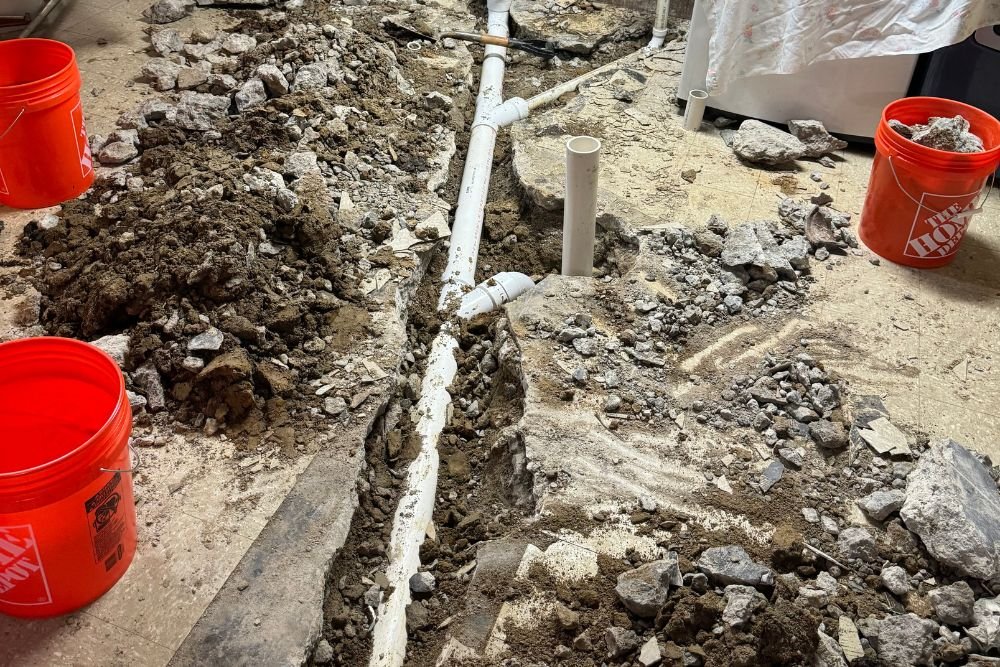
A floor break is exactly what it sounds like. We cut through and remove a section of your concrete basement floor to access plumbing pipes buried underneath.
Most homes in Roseville have drain lines, sewer lines, or water lines running beneath the basement floor. When these pipes leak, break, or clog without accessible cleanouts, we need to break through the concrete to reach them.
Here’s what a typical floor break involves:
- We locate the exact problem area using leak detection equipment
- We cut a precise section of concrete with professional saws
- We remove the concrete and dig down to the pipe
- We repair or replace the damaged plumbing
- We backfill, compact, and prepare for new concrete
- We pour new concrete and finish it to match your existing floor
The whole process usually takes one to three days depending on the complexity of the plumbing work needed.
Why Roseville Homes Need Floor Break Services
Roseville has lots of older homes built in the 1950s through 1970s. Many of these homes have their original plumbing still buried under basement floors.
Cast Iron Drain Lines
Older homes often have cast iron drain pipes under the slab. After 50 to 70 years, cast iron corrodes from the inside. You can’t see this happening because the pipes are buried under several inches of concrete.
When cast iron finally fails, you get leaks, cracks, or complete breaks. The only way to fix them is breaking through the floor.
Copper Water Lines
Copper water lines under slabs can develop pinhole leaks over time. These tiny leaks slowly seep water into the ground beneath your floor. You might not notice for months or years, but your water bill will gradually increase.
Copper can also corrode from soil conditions or develop leaks where pipes connect to each other.
No Cleanout Access
Many older Roseville homes don’t have proper cleanout access for drain lines under the floor. If a severe clog develops in an under-slab drain and we can’t reach it from existing access points, a floor break is the only solution.
Foundation Settling
Michigan soil conditions cause foundations to settle over time. This puts stress on rigid pipes under your floor. Joints can separate, pipes can crack, or connections can break loose.
Signs You Might Need a Floor Break
Water on Basement Floor
If you see water on your basement floor but can’t find an obvious source (like a leaking appliance or window), you might have an under-slab leak. The water seeps up through tiny cracks in the concrete or around the floor perimeter.
Constantly Running Water Sound
You hear water running somewhere in your house, but all faucets are off and toilets aren’t running. This often indicates a pressurized water line leaking under your floor.
Higher Water Bills
Your water usage hasn’t changed, but your bill keeps climbing. A hidden leak under your slab could be wasting hundreds of gallons per day.
Warm Spots on Floor
If you have a hot water line leaking under your floor, the concrete above it will feel warmer than surrounding areas. This is especially noticeable in winter.
Damp or Musty Smell
Persistent moisture under your floor creates a damp, musty odor. If you smell this but can’t find visible water, check for under-slab leaks.
Cracks in Concrete Floor
New cracks appearing in your basement floor, especially if they’re getting larger, can indicate water eroding soil beneath the slab. This happens when pipes leak underground.
Low Water Pressure
If water pressure drops throughout your house, you might have a major leak somewhere in your supply line, possibly under the floor.
Multiple Drain Backups
When several drains back up at once and regular drain cleaning doesn’t help long-term, the problem might be in your main drain line under the floor.
Our Floor Break Process
We’ve done this hundreds of times. Here’s exactly what happens:
Step 1: Leak Detection and Pipe Location
Before we break anything, we need to know exactly where to cut. We use electronic leak detection equipment, thermal imaging, and acoustic sensors to pinpoint the problem.
For water line leaks, we can usually locate within a few square feet. For drain problems, we might use camera inspection to see exactly where the issue is.
Once we find the problem, we mark the floor to show where we’ll need to cut.
Step 2: Prepare Your Basement
We’ll ask you to move any items near the work area. We set up dust barriers to contain concrete dust (there will be dust, even with our best efforts). We also set up ventilation fans.
If you have finished basement walls or ceiling near the work area, we protect them with plastic sheeting.
Step 3: Cut the Concrete
We use professional concrete saws with diamond blades. These cut cleanly through concrete, even if there’s rebar or wire mesh reinforcement.
We wet-cut when possible. This means spraying water while cutting, which dramatically reduces dust. We use a shop vacuum to catch water and concrete slurry as we work.
The saw work is loud. Your neighbors might hear it, especially if your windows are open. Most cutting takes one to three hours depending on how much floor we need to remove.
Step 4: Break and Remove Concrete
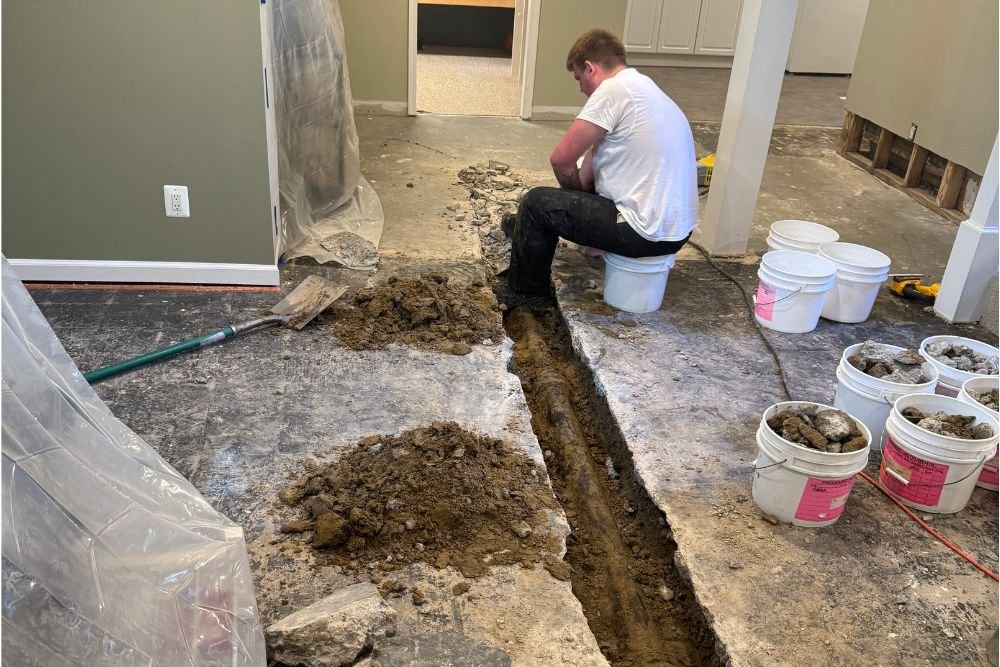
After cutting the perimeter, we use a jackhammer to break up the concrete inside the cut lines. We break it into manageable pieces and haul it out of your basement.
Concrete is heavy. A typical floor break might generate 500 to 1,000 pounds of broken concrete. We remove all of it and dispose of it properly.
Step 5: Excavate to the Pipe
We dig down through the gravel and soil beneath your floor until we expose the damaged pipe. This might be 12 to 24 inches deep, sometimes more.
We dig carefully to avoid damaging other pipes or utilities that might be nearby.
Step 6: Repair or Replace the Pipe
Now we can actually fix the problem. Depending on what we find:
- For small cracks or leaks, we might cut out the damaged section and install new pipe
- For corroded cast iron, we often replace larger sections with modern PVC
- For completely failed pipes, we install all new plumbing
- For drain clogs in inaccessible areas, we clear the blockage and install a cleanout for future access
We test everything before moving to the next step. For water lines, we pressure test to ensure no leaks. For drains, we run water to confirm proper flow.
Step 7: Backfill and Prepare for Concrete
Once plumbing is fixed and tested, we backfill the hole. We replace the gravel base, compact it in layers to prevent settling, and bring it level with the bottom of your existing concrete.
We install a vapor barrier (plastic sheeting) over the gravel. This prevents ground moisture from coming up through your new concrete.
If your existing floor has rebar or wire mesh reinforcement, we add reinforcement to the patch area too.
Step 8: Pour New Concrete
We pour new concrete to match your existing floor height. We use the right concrete mix for basement floors and work it carefully to avoid air pockets.
As the concrete begins to set, we smooth and finish the surface. We try to match your existing floor finish as closely as possible, though the patch will be visible as new concrete is a different color.
Step 9: Curing and Final Details
Concrete takes time to cure properly. You can walk on it after 24 to 48 hours, but it reaches full strength after about 28 days.
We clean up all tools, equipment, and dust. Your basement will be much cleaner than you probably expect after this kind of work.
Types of Under-Slab Plumbing Problems We Fix
Slab Leaks
This is the most common reason for floor breaks in Roseville. A slab leak is any leak in a water line beneath your concrete floor. These develop from corrosion, pinhole leaks, or failed connections.
Small slab leaks waste water and increase bills. Large ones can erode soil under your foundation and cause structural problems.
Drain Line Breaks
Cast iron drain pipes under your floor can crack, break, or collapse. When this happens, wastewater can’t flow properly. You’ll see backups, slow drains, or sewage coming up through floor drains.
Main Sewer Line Problems
Your main sewer line might run under your basement floor before exiting to the street. If this line has problems and we can’t access it from outside or through existing cleanouts, a floor break is necessary.
Water Line Breaks
The main water line bringing water into your home might run under your floor. If this line breaks, you’ll lose water pressure throughout the house. Emergency repairs require fast action.
Corroded Cast Iron Pipes
Even if pipes haven’t failed yet, severely corroded cast iron might need replacement before it breaks. If camera inspection shows extensive corrosion and we can’t access pipes from cleanouts, we’ll need a floor break.
Installing New Plumbing
Adding a basement bathroom, relocating a kitchen, or finishing a basement sometimes requires new drain lines under the floor. We’ll break the floor where needed, install new plumbing to code, and restore the floor.
Minimizing Disruption to Your Home
Floor breaks are messy work, but we take steps to protect your home:
Dust Control
Cutting concrete creates fine dust that gets everywhere if not controlled. We use:
- Wet cutting methods
- Shop vacuums with HEPA filters
- Plastic barriers to seal off work areas
- Ventilation fans to pull dust outside
- Air scrubbers when working in finished basements
Noise Management
Concrete saws and jackhammers are loud. We can’t eliminate noise, but we:
- Work during reasonable hours (typically 8 AM to 5 PM)
- Complete noisy work as efficiently as possible
- Warn neighbors if we think noise will be significant
Protecting Your Belongings
We ask you to move valuable items away from the work area. We’ll cover remaining items with plastic. We’re careful, but concrete dust is sneaky.
Access to Plumbing
During work, you might lose water service temporarily (usually just a few hours while we work on water lines). We’ll coordinate with you to minimize inconvenience. Drain service typically stays functional except during the actual pipe replacement.
Floor Break Costs in Roseville
Floor breaks are specialized work. Costs vary based on several factors:
What Affects Price:
- Size of the floor section we need to remove
- Depth of the pipes (deeper means more excavation)
- Type of plumbing repair needed
- How thick your concrete floor is
- Whether there’s reinforcement in the concrete
- Complexity of the plumbing work
- Concrete finishing requirements
A basic floor break for a simple pipe repair typically costs $1,500 to $3,500. More complex projects involving larger areas or extensive plumbing work can cost $4,000 to $8,000 or more.
We’ll give you a clear written estimate after inspecting your situation. The estimate includes everything: leak detection, concrete cutting, pipe repair, and floor restoration.
Alternatives to Floor Breaks
Sometimes we can fix under-slab problems without breaking the floor:
Rerouting Pipes
If the damaged pipe is near a wall, we might be able to reroute new pipe through the wall instead of under the floor. This avoids floor breaks entirely.
For example, if your under-slab drain to a toilet is damaged, we might run new drain pipe up through the wall and into the ceiling or floor joists, then connect to your main stack elsewhere.
This doesn’t always work depending on your home’s layout and where the damage is located, but it’s worth considering.
Pipe Lining
For some drain line problems, we can line the inside of existing pipes with epoxy coating. This is a trenchless method that doesn’t require breaking your floor.
However, pipe lining only works if the pipe hasn’t collapsed and is accessible from cleanouts. It’s also not suitable for water supply lines.
Accessing from Outside
Sometimes we can reach under-slab pipes by digging outside your foundation rather than breaking the floor. This works when pipes exit your home at an accessible location.
We always look for alternatives before recommending floor breaks. But sometimes, breaking the floor is the only practical solution.
Working in Finished Basements
Many Roseville homes have finished basements with carpet, tile, drywall, and drop ceilings. Floor breaks in finished spaces require extra care.
Flooring Removal
We’ll need to remove flooring in the work area. For carpet, we cut out sections and remove padding. For tile, we remove enough to access concrete. We save materials when possible, but usually you’ll need to replace flooring in the work area.
Wall Protection
We protect finished walls near the work area with plastic sheeting and be extra careful with dust control.
Ceiling Work
If we need to reroute pipes or access plumbing above the floor, we might need to remove sections of drop ceiling or drywall. We’ll discuss this upfront.
Restoration Considerations
We pour and finish the concrete floor patch, but we don’t do flooring, drywall, or painting. You’ll need to hire appropriate contractors for these finishes, or do them yourself.
We can recommend local contractors if you need help finding someone.
Emergency Floor Break Services
Water line breaks beneath your floor are emergencies. If you suddenly lose water pressure or hear loud rushing water under your floor, you need immediate help.
We offer 24/7 emergency services for:
- Main water line breaks
- Major slab leaks flooding your basement
- Sewer line breaks causing backups
Emergency work costs more than scheduled projects, but when water is flooding your basement, you can’t wait.
We’ll respond quickly, locate the problem, and do emergency repairs to stop the immediate crisis. Sometimes this means a temporary repair to stop water flow, then scheduling proper floor break repairs for the next day.
Permits and Code Compliance
Most floor break projects in Roseville require permits from Macomb County. We handle all permit requirements:
- Submitting applications
- Scheduling inspections
- Ensuring code-compliant work
Plumbing code specifies proper pipe materials, sizing, slope for drains, and installation methods. All our work meets or exceeds code requirements.
Inspectors verify repairs before we pour new concrete. This protects you by ensuring everything is done correctly.
How Long Until You Can Use Your Basement?
Timeline depends on the scope of work:
Day 1: Leak detection, concrete cutting, removal, and excavation. You can access most of your basement except the immediate work area.
Day 2: Plumbing repairs, inspection (if required), backfill, and concrete pour. We might finish by end of day, but concrete needs to cure.
Days 3-30: Concrete curing. You can walk on new concrete after 24 to 48 hours, but wait at least a week before placing heavy items. Full strength develops over 28 days.
Some projects finish in one long day. Others take three or four days if extensive plumbing work is needed.
Why Choose Drain Masters Rooter Plumbing?
Licensed Plumbers with Concrete Experience
Our plumbers are Michigan-licensed professionals who also know concrete work. This combination is rare. Many plumbers don’t do concrete work, and concrete contractors don’t do plumbing. We handle the entire project.
Professional Leak Detection
We invest in professional leak detection equipment. This means we cut only where necessary, saving you money on concrete work.
Complete Service
You work with one company from start to finish. We locate leaks, break floors, fix plumbing, and restore your floor. No coordinating with multiple contractors.
Clean, Careful Work
We protect your home, control dust, and clean up thoroughly. Many customers tell us their basement is cleaner after we leave than before we started.
Honest Recommendations
If there’s a way to fix your problem without breaking the floor, we’ll tell you. We only recommend floor breaks when they’re truly necessary.
Clear Communication
We explain exactly what needs to be done and why. You’ll understand the process before we start. No surprises, no confusion.
Quality Materials
We use modern PVC or PEX for replacement pipes. These materials last decades and don’t have the problems that destroyed your old pipes.
Warranty Protection
We warranty our plumbing work and concrete restoration. If problems develop, we’ll make them right.
Serving All of Roseville and Surrounding Areas
We work throughout Roseville, from older neighborhoods near Gratiot Avenue to homes throughout the city. We also serve surrounding communities:
- Fraser
- Eastpointe
- St. Clair Shores
- Warren
- Clinton Township
- Sterling Heights
- Mount Clemens
If you’re in Macomb County and need under-slab plumbing repairs, we can help.
Reviews
What Our Clients Say


Contact Info
Location
33044 Mound Rd
Sterling Heights, MI 48310
Phone
586-942-3330
Our Services
Our Plumbing Services in Sterling Heights
Drain Cleaning
Clogged drains are more than just an inconvenience—they can lead to costly damage if left untreated. Our expert plumbers use advanced tools to quickly and effectively remove blockages in sinks, tubs, and toilets. With routine drain cleaning, you can avoid backups and ensure your system flows smoothly year-round.
Jetting
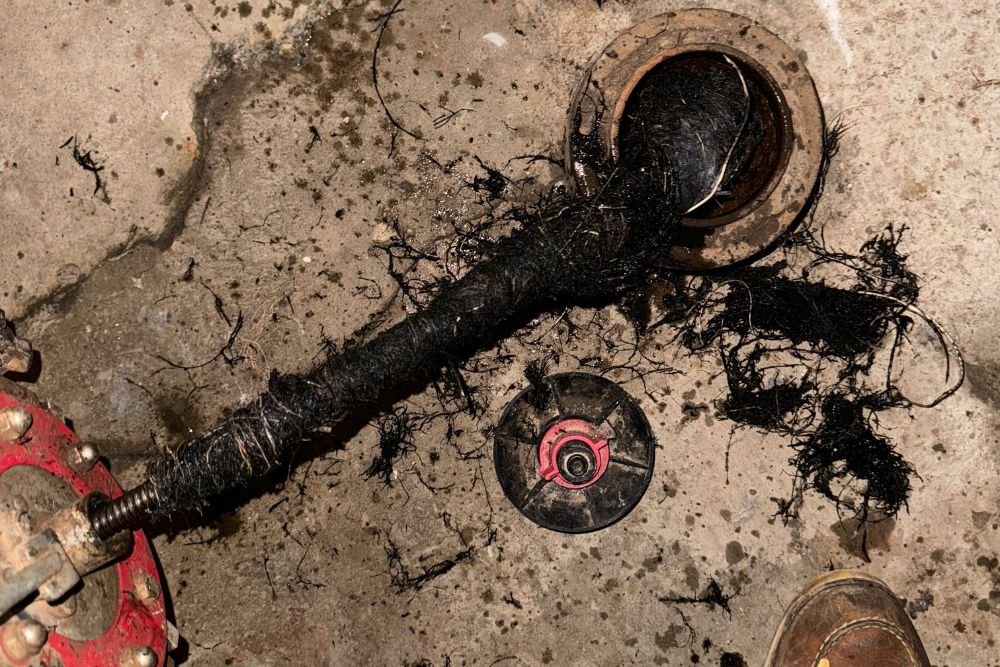
When standard cleaning isn’t enough, high-pressure jetting gets the job done. We use state-of-the-art equipment to blast away grease, sludge, roots, and debris from inside your pipes. This powerful method not only clears current blockages but also helps prevent future clogs, making it an ideal solution for long-term plumbing health.
Plumbing
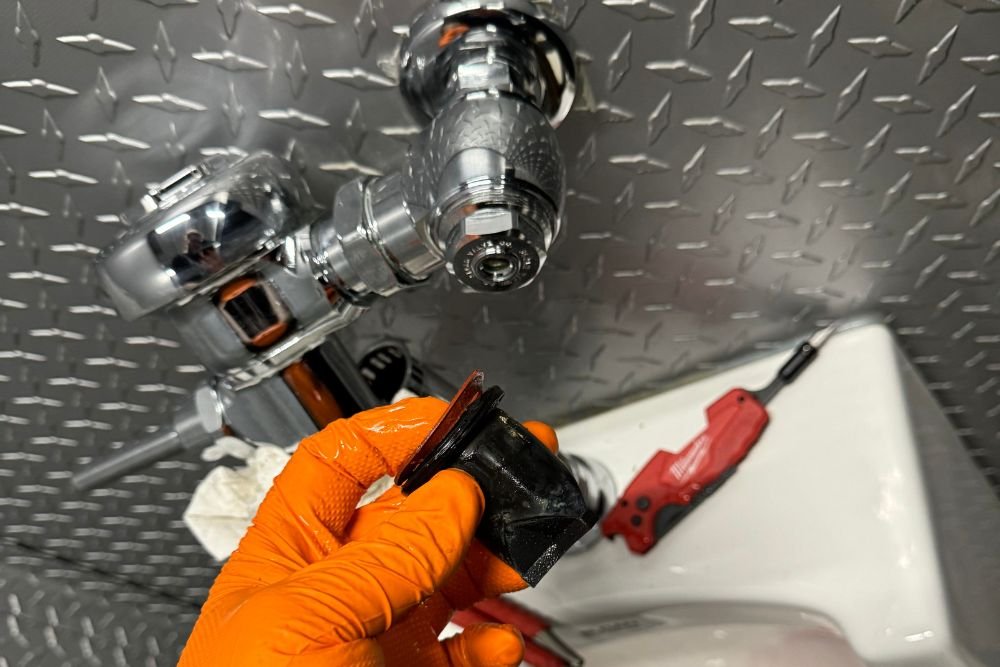
From leak repairs to repiping, our licensed plumbers provide reliable solutions tailored to your home or business needs. We offer a full spectrum of services, including drain cleaning, water heater installation, and emergency repairs, ensuring your system runs efficiently and reliably. Trust our experienced team for professional, high-quality plumbing work every time.
Sewer Repairs & Replacement
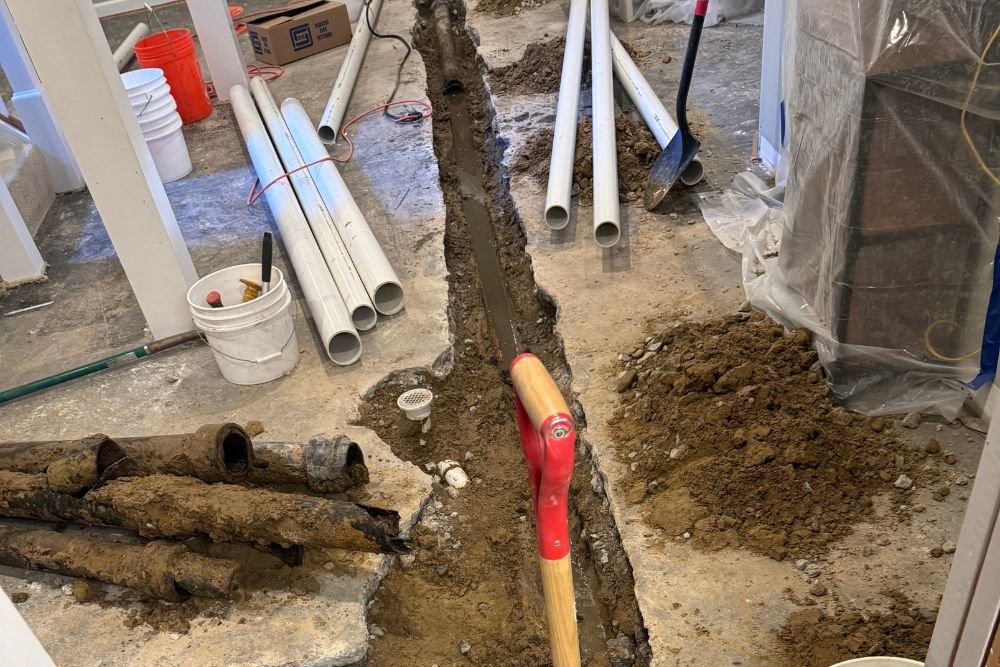
Sewer problems can disrupt your property and pose serious health risks if not handled quickly. At Drain Masters Rooter Plumbing, we specialize in repairing and replacing damaged sewer lines using both traditional and trenchless methods. Whether it’s root intrusion, cracked pipes, or a collapsed line, our team diagnoses the issue with precision and provides the most cost-effective, long-term solution.
Floor Breaks
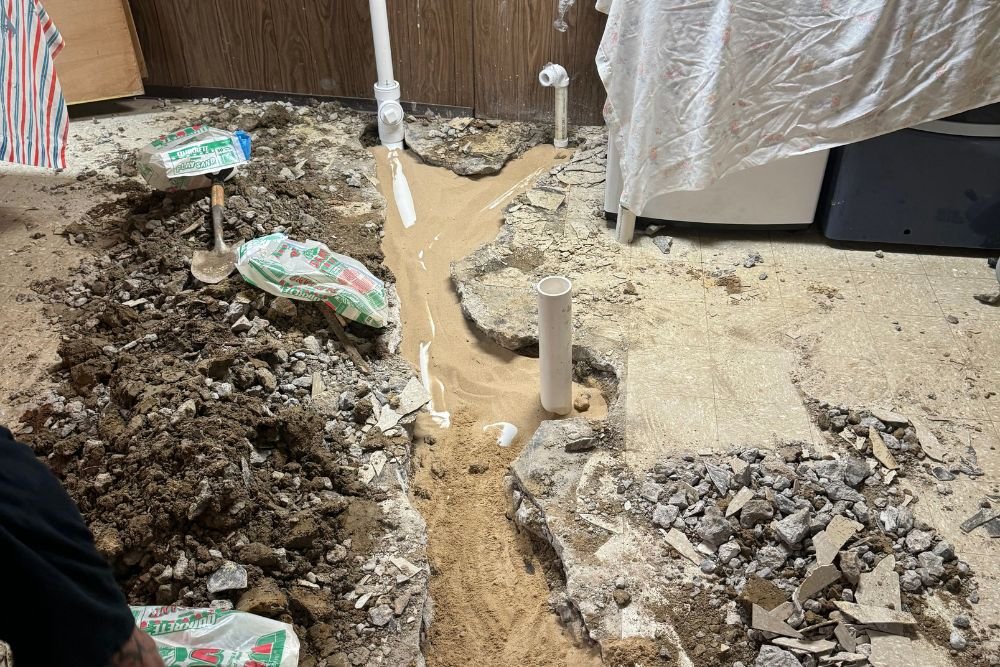
Some plumbing problems hide beneath concrete floors and require specialized access. Our expert floor break services provide safe, controlled openings to reach underground pipes without unnecessary damage. Using professional-grade cutting equipment, we minimize dust, debris, and disruption while exposing only the exact area that needs repair.
Camera Inspections with Video
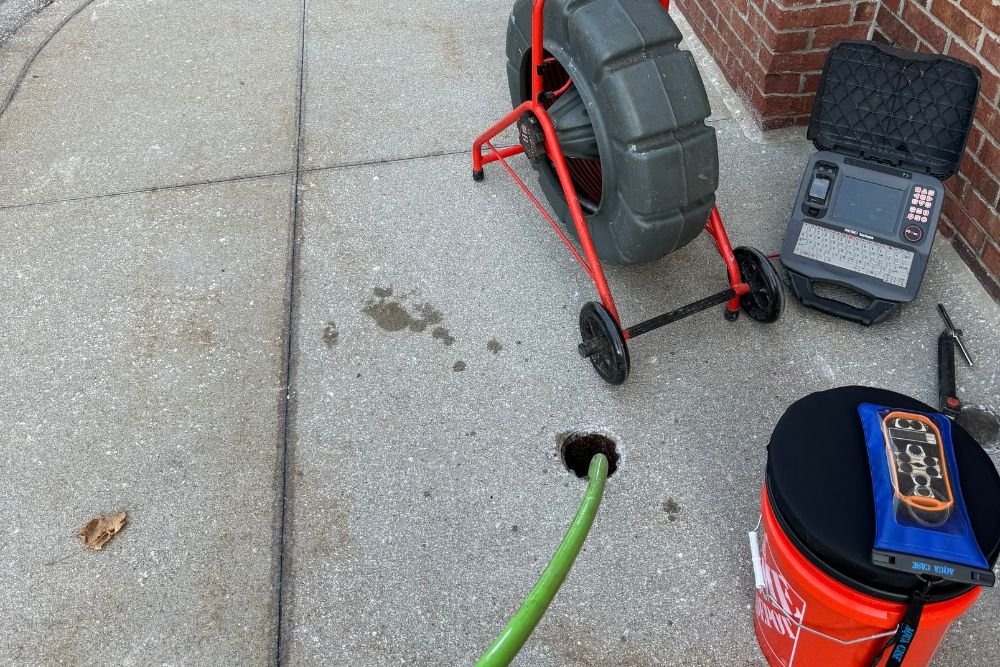
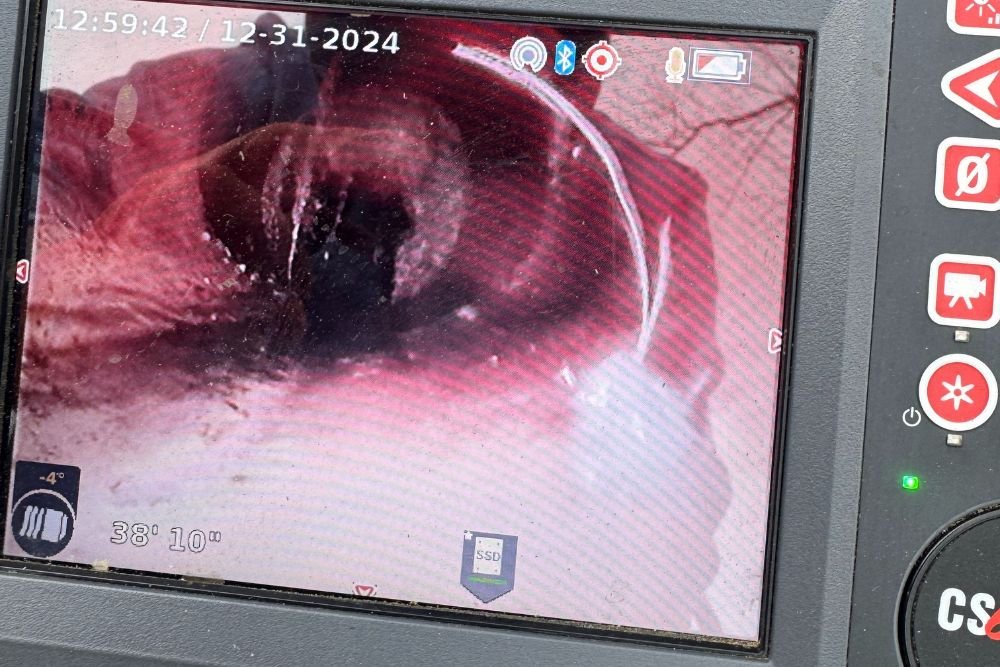
When it comes to plumbing problems, seeing is believing. Our advanced camera inspections provide a real-time, high-definition look inside your pipes, allowing us to identify clogs, cracks, leaks, or root intrusions with pinpoint accuracy. This non-invasive technology eliminates guesswork and prevents unnecessary digging or costly trial-and-error repairs.
Leak Detection
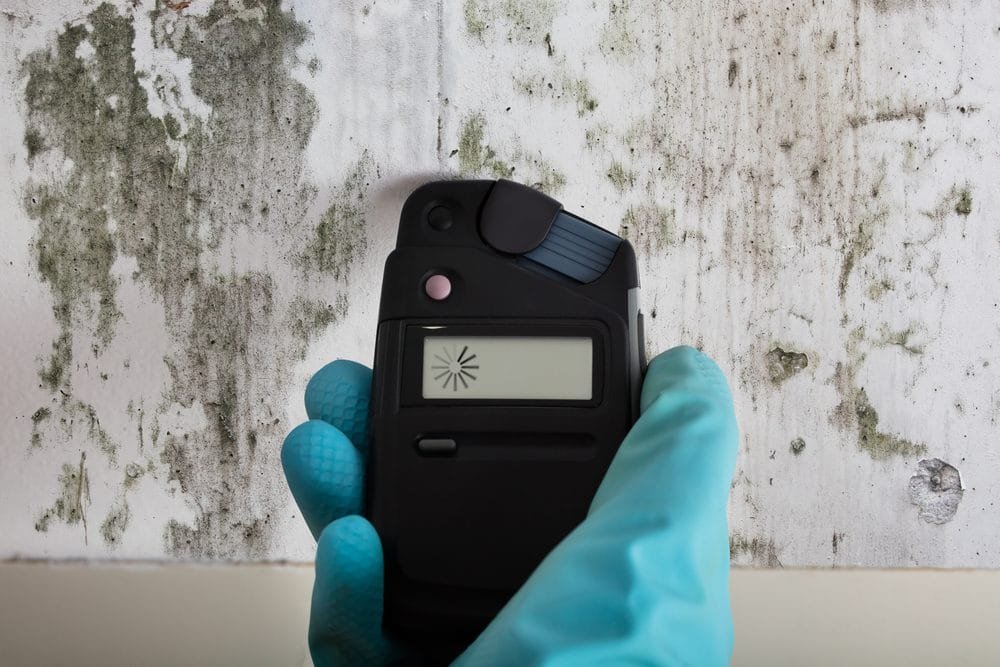
Leaks often remain hidden until they cause expensive water damage, mold growth, or high utility bills. Our leak detection service uses state-of-the-art technology—including electronic listening devices, moisture meters, and thermal imaging—to pinpoint leaks quickly without tearing into walls, floors, or ceilings.
Frequently Asked Questions About Floor Breaks in Roseville
Q1. How much of my floor will you need to break?
We break only what’s necessary to access and repair the damaged pipe. For a simple slab leak repair, this might be a 3-foot by 3-foot section. For main line repairs or extensive damage, we might need to remove 4 to 6 feet or more of floor. Our leak detection equipment pinpoints problems accurately, so we minimize the area we need to cut. After our inspection, we’ll tell you exactly how much floor needs to be removed before we start any cutting.
Q2. Will the new concrete match my existing floor?
New concrete will be a slightly different color than your old floor. There’s no way around this. Existing concrete has aged and possibly been stained over decades. Fresh concrete is lighter and cleaner-looking. Over time, the color difference becomes less noticeable as new concrete ages, but the patch will always be somewhat visible. We’ll finish the surface to match your existing texture as closely as possible. If your basement has finished flooring, you can cover the patch with matching materials once concrete cures.
Q3. How long before I can walk on the new concrete?
You can walk on new concrete after 24 to 48 hours, wearing soft-soled shoes. Wait at least three to seven days before moving furniture or heavy items onto the patch. Concrete reaches about 70% of full strength in seven days and full strength after 28 days. We’ll give you specific timing recommendations based on the concrete mix we use and weather conditions. Don’t rush this. Putting heavy loads on concrete before it’s ready can cause cracks or surface damage.
Q4. Can you do floor breaks in finished basements?
Yes, but it’s more involved. We’ll need to remove carpet, tile, or other flooring in the work area to access the concrete underneath. We protect surrounding finished walls and ceilings with plastic barriers and use extra dust control measures. After we finish the concrete work, you’ll need to replace flooring in the work area. We restore the concrete floor itself, but we don’t do carpet, tile, or other finish work. Most customers hire flooring contractors after our work is complete, or they do flooring themselves. We can recommend local contractors if needed.
Q5. What if you find more damage than expected after breaking the floor?
This happens sometimes. When we expose pipes, we might discover damage is more extensive than the initial inspection showed. If this happens, we’ll stop work, show you what we found, explain what needs to be done, and give you a revised estimate before proceeding. You’ll always know the cost before we continue. Sometimes older pipes have deteriorated in multiple spots, and replacing a longer section makes more sense than just patching one leak. We’ll discuss the best approach and let you decide how to proceed.
Q6. Will I have to move out during the work?
No, you can stay in your home during floor break work. The work is contained to your basement, and you’ll still have access to upstairs. You might lose water service for a few hours while we work on water lines, but we’ll coordinate this with you. Most customers continue normal routines while we work. The biggest impact is noise during concrete cutting and jackhammer work, which typically happens during one day. We use dust control measures, but some fine dust might travel beyond the work area despite our best efforts.
Q7. Does insurance cover floor break repairs?
It depends on your policy and what caused the problem. Most standard homeowners insurance doesn’t cover normal wear and tear or maintenance issues like aging pipes. However, if the leak caused sudden damage to your finished basement (like flooding that damaged carpet or drywall), that damage might be covered even if the pipe repair isn’t. Some insurance companies offer optional sewer and water line coverage as policy endorsements. Check with your insurance agent. We provide detailed invoices and documentation you can submit for claims. Some customers have success with claims when slab leaks cause significant property damage.
Don’t Let Under-Slab Problems Get Worse
Leaks under your basement floor won’t fix themselves. They get worse over time, waste more water, cause more damage, and become more expensive to repair.
If you’re seeing signs of under-slab plumbing problems, or if you know you have issues but have been putting off repairs, now is the time to address them.
Drain Masters Rooter Plumbing will inspect your situation thoroughly, use professional leak detection to pinpoint problems, and recommend the most cost-effective repair approach. We’ll handle everything from concrete cutting to plumbing repairs to floor restoration.
Our licensed plumbers have the experience and equipment to complete floor break projects efficiently with minimal disruption to your home.
Call Drain Masters Rooter Plumbing today for expert floor break services in Roseville, MI. We’ll fix your under-slab plumbing problems right the first time.
We Provide