Madison Heights’ Trusted Choice
Floor Break Services in Madison Heights, MI
Your main drain is broken beneath your basement floor. You need a floor drain installed. Your sump pump pit needs replacing. The plumber just told you they need to “break the floor” to fix your plumbing problem.
Now you’re wondering what that means, how much it costs, and how big of a mess you’re dealing with.
At Drain Masters Rooter Plumbing, we handle floor breaks every week throughout Madison Heights. We cut the concrete, access your plumbing, make the repairs, and restore your floor to match the surrounding concrete. We protect your property, work efficiently, and clean up thoroughly when we’re done.
Book Your Free Plumbing Consultation
Got a plumbing issue or need a quote? We’re here to help. Contact Drain Masters Rooter Plumbing today for a no-obligation consultation.
What Is a Floor Break?
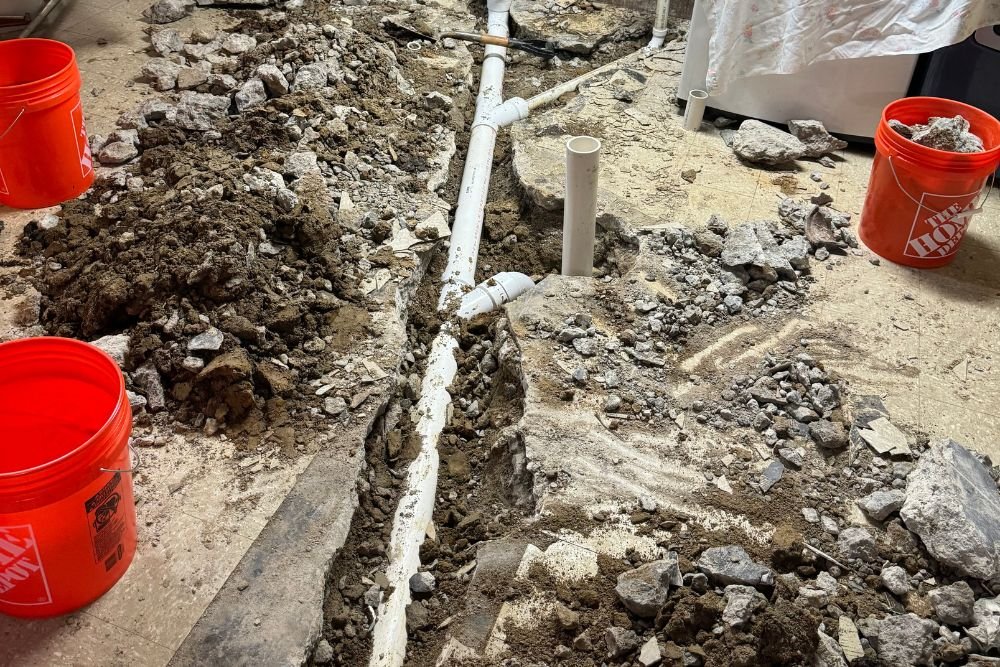
A floor break means cutting and removing sections of your concrete basement floor to access plumbing beneath it. Your main drain lines, water lines, and sewer pipes run under your basement slab. When these pipes need repair, replacement, or when you’re adding new plumbing, we have to cut through the concrete to reach them.
The process involves sawing through the concrete with diamond blades, removing the cut sections, excavating soil beneath the slab, completing plumbing work, backfilling properly, and pouring new concrete to match your existing floor.
It sounds invasive because it is. But it’s the only way to access plumbing that’s buried under several inches of concrete and several feet of soil.
Why Madison Heights Homes Need Floor Breaks
Madison Heights has a specific set of challenges. Most homes here were built in the 1950s through 1970s. Back then, builders used cast iron drain pipes beneath basement slabs. Those pipes are now 50 to 70 years old.
Cast iron corrodes from the inside out. The pipes develop holes, cracks, and eventually collapse. When that happens underneath your concrete floor, you need a floor break to replace them.
The clay soil conditions in Madison Heights don’t help either. Clay expands when wet and contracts when dry, putting stress on rigid pipes buried in the ground. Michigan’s freeze-thaw cycles make things worse. Water freezes in tiny cracks and expands, making small cracks bigger every winter.
And then there are tree roots. Madison Heights has mature trees everywhere. Their roots constantly search for water and nutrients. Your sewer line is both. Roots enter through tiny openings in joints or cracks, then grow into thick masses that block flow and damage pipes.
We’ve done hundreds of floor breaks in this area. We know what fails, where it typically fails, and how to fix it permanently.
Signs You Might Need a Floor Break
Water backing up through floor drains. This is serious. It means your main drain line beneath the floor is blocked or broken. Water has nowhere to go but back up into your basement.
Sewage smell coming from your basement floor. If you smell sewage but can’t see any obvious source, you might have a broken pipe leaking beneath your slab.
Multiple slow drains throughout your house. If all your drains are slow and snaking doesn’t help, the problem is in your main line, possibly under the basement floor.
Wet spots or cracks in your basement floor. Unexplained dampness or new cracks can indicate a leak beneath the slab. Water from broken pipes saturates the soil and seeps up through concrete.
Adding a basement bathroom or laundry room. New plumbing fixtures below the level of your main sewer line need special drainage systems. These require floor breaks to install ejector pits or connect to existing lines.
Sump pump problems. If your sump pit is cracked, too small, or improperly installed, we need to break the floor to fix or replace it.
Building inspector flagged your basement plumbing. Older homes often have plumbing that doesn’t meet current codes. Floor breaks might be required to bring things up to standard.
Common Floor Break Projects
Main Drain Line Repair
Your main drain line collects wastewater from all your fixtures and carries it to the city sewer. In older Madison Heights homes, this line runs beneath the basement floor. When it breaks, you need a floor break to access and replace it.
We cut the floor along the line’s path, expose the damaged section, remove old pipe, install new PVC pipe at proper slope, and restore your floor. The new pipe will last 50+ years.
Floor Drain Installation and Replacement
Floor drains keep your basement from flooding when you have leaks or water seepage. They’re required in certain locations by building code. Installing a new floor drain requires breaking the floor, digging down to the main drain line, installing the floor drain body and trap, connecting it to the main line, and finishing with new concrete.
Replacing an old, corroded floor drain follows the same process. The old drain gets removed, new one goes in, everything gets properly sloped and sealed.
Sump Pump Basin Installation
Sump pumps sit in basins (pits) that collect water from around your foundation. Installing a new basin requires a significant floor break. We cut and remove concrete, dig a pit deep enough for the basin (typically 24-30 inches), install the basin, add gravel for drainage, and pour new concrete around it.
We also install the discharge line that carries water from the pump outside your home.
Ejector Pit Installation
Ejector pits (also called sewage ejector systems) are required when you add a bathroom, laundry, or other plumbing below the level of your main sewer line. Gravity can’t drain water uphill, so the ejector pit collects it and pumps it up to the main line.
These installations require large floor breaks because ejector pits are bigger than sump basins. We break the floor, dig the pit, install the ejector system with pump, connect discharge lines, and restore the concrete.
Under-Slab Sewer Line Replacement
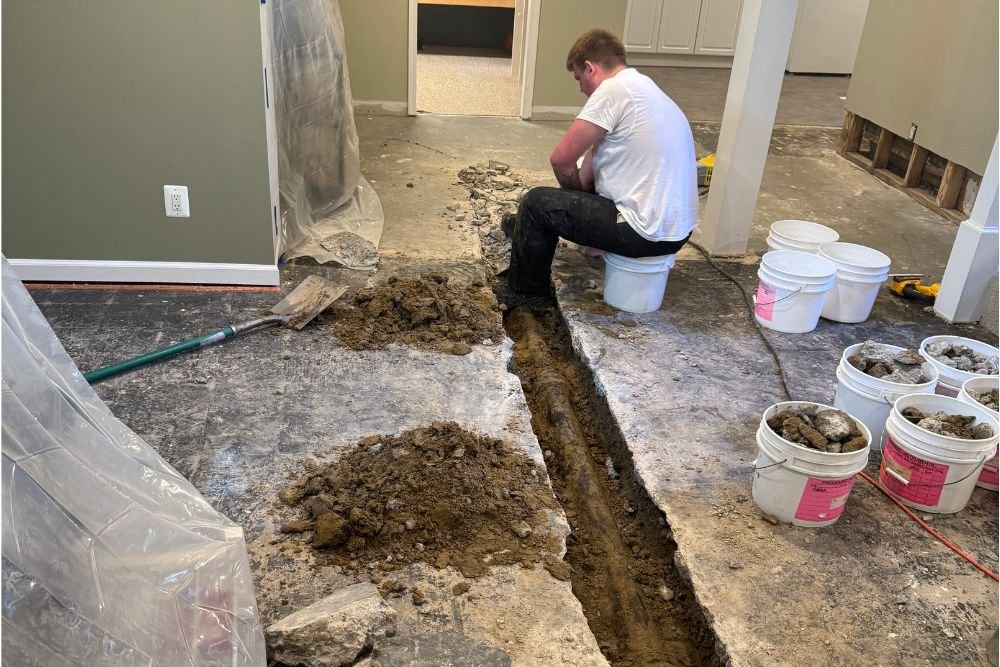
Sometimes the entire under-slab portion of your sewer line needs replacement. This means a long floor break, sometimes 10 to 30 feet. We cut the floor in sections, expose the entire line, remove old pipe, install new pipe with proper slope throughout, test everything, and restore the floor in sections.
It’s disruptive and takes several days, but it’s a permanent fix for chronic sewer problems caused by deteriorated pipes.
Our Floor Break Process
Step 1: Locate Existing Lines
Before cutting anything, we locate your existing plumbing. We use the drain locations above to map where lines run beneath the floor. Sometimes we run a camera through the drain to pinpoint problem areas precisely.
Step 2: Mark Cutting Lines
We mark where we’ll cut the concrete. The cut area is only as large as necessary to access the pipes and work safely. We don’t break more floor than needed.
Step 3: Protect Your Property
We put down heavy plastic sheeting to contain dust and debris. Furniture and belongings get moved or covered. Doorways get sealed with plastic to keep dust from spreading through your house.
Step 4: Cut the Concrete
Using a walk-behind concrete saw with diamond blades, we make clean, straight cuts. For dust control, we use wet cutting methods whenever possible. This keeps dust to a minimum and makes cleanup easier.
The saw cuts through the 3 to 4 inches of concrete that makes up your basement floor. Some older homes have thicker slabs, some newer ones are thinner.
Step 5: Remove Concrete
We break up and remove the cut sections. Concrete is heavy. A 4×4 foot section of 4-inch concrete weighs about 400 pounds. We haul all debris out of your basement and dispose of it properly.
Step 6: Excavate Beneath the Slab
We dig down to expose the plumbing, typically 12 to 36 inches below the slab depending on how deep your lines run. All the excavated dirt gets removed from your basement.
Step 7: Complete the Plumbing Work
With the pipes exposed, we make repairs, install new lines, replace floor drains, install sump basins, or whatever plumbing work is needed. We test everything to make sure it works correctly before moving forward.
Step 8: Backfill and Compact
We backfill around the new plumbing with crushed stone and soil. Everything gets compacted in layers to prevent settling. Proper compaction is critical. If the fill isn’t compacted correctly, your new concrete will crack or sink.
Step 9: Pour New Concrete
We pour new concrete to match the thickness of your existing slab. We use the same mix design and finishing technique as your surrounding floor so the patch blends in. The concrete is troweled smooth (or broom finished if that’s what matches your existing floor).
Step 10: Cure and Protect
Fresh concrete needs time to cure. We protect it from foot traffic for at least 24 hours and from heavy items for 48-72 hours. Full strength develops over about 28 days, but you can use the area carefully after a couple days.
Step 11: Complete Cleanup
We clean up thoroughly. All debris gets hauled away. Dust gets vacuumed. Protective plastic comes down. Your basement should be cleaner than it was when we arrived, minus the plumbing problem you had.
How Much Do Floor Breaks Cost?
Floor break costs vary widely based on several factors.
Small floor breaks for simple floor drain replacement might cost $800 to $1,500. This includes cutting a 3×3 or 4×4 foot section, doing the plumbing work, and restoring the concrete.
Medium floor breaks for sump pump basin installation or short sections of drain line typically run $1,500 to $3,500.
Large floor breaks for ejector pit installation or extensive under-slab pipe replacement can cost $3,000 to $8,000 or more depending on the length of pipe being replaced and the complexity of the work.
Factors affecting cost include the size of the area we need to break, how deep we need to dig, what we find once we get down there, whether we encounter unexpected issues like other utilities or extremely hard soil, concrete thickness, the type of finish you want on the new concrete, and disposal fees for concrete and soil.
Emergency floor breaks cost more because of immediate response and after-hours labor.
We provide written estimates before starting work. You’ll know what the project costs and what’s included.
How Long Does a Floor Break Take?
Simple floor drain replacement usually takes one day. We break the floor, do the plumbing, pour concrete, and clean up in 4 to 8 hours.
Sump basin installation typically takes one to two days. Day one is breaking, digging, and installing the basin and pump. Day two is pouring and finishing concrete.
Ejector pit installation takes two to three days because of the size and complexity.
Extensive under-slab sewer line replacement can take three to five days or more depending on the length of pipe being replaced.
Weather doesn’t affect interior floor break work, but we can’t pour concrete if your basement is too cold (below 50°F). We’ll bring in heaters if needed to maintain proper curing temperatures.
Will the New Concrete Match My Existing Floor?
We do our best to match your existing floor. For smooth trowel finishes, we can get pretty close. The new concrete will be slightly lighter in color at first because it’s fresh, but it will darken over time to blend better with the surrounding floor.
For broom finish or textured floors, we replicate the pattern as closely as possible.
Honestly, there will always be a visible seam where new meets old. Concrete poured at different times looks different. But we make the patch as clean and professional as possible. Many customers paint their basement floors after floor breaks, which makes everything uniform again.
Can I Avoid a Floor Break?
Sometimes, yes. If your plumbing problem is in a line that runs along the perimeter of your basement near the walls, we might be able to reroute new pipe without breaking the floor. We can run new pipe above the floor along walls and box it in.
This doesn’t work for every situation. Center floor drains, sump basins, and main lines that run through the middle of your basement can’t be rerouted. But we’ll always look for alternatives if they make sense.
For sewer lines outside your house, trenchless repair methods like pipe lining might avoid excavation. But once pipes are under your basement slab, there’s no trenchless option. We have to access them from above.
What About Finished Basements?
Floor breaks in finished basements are more complicated and more expensive. We have to remove flooring (carpet, tile, laminate) before breaking concrete. After restoring the floor, you’ll need to replace the flooring.
Sometimes we can work around finished elements like walls and furniture, but not always. The plumbing problem dictates where we need to break the floor.
If you’re planning basement renovations, address plumbing issues first. It’s way easier and cheaper to break floors before finishing the space than after.
Reviews
What Our Clients Say


Contact Info
Location
33044 Mound Rd
Sterling Heights, MI 48312
Phone
586-942-3330
Our Services
Our Plumbing Services in Sterling Heights
Drain Cleaning
Clogged drains are more than just an inconvenience—they can lead to costly damage if left untreated. Our expert plumbers use advanced tools to quickly and effectively remove blockages in sinks, tubs, and toilets. With routine drain cleaning, you can avoid backups and ensure your system flows smoothly year-round.
Jetting
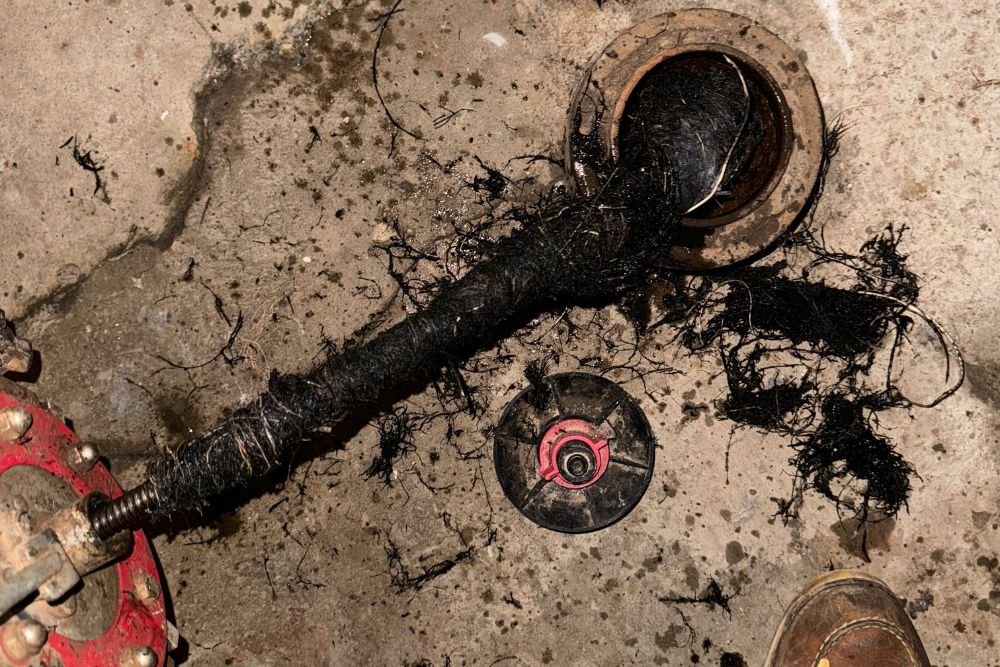
When standard cleaning isn’t enough, high-pressure jetting gets the job done. We use state-of-the-art equipment to blast away grease, sludge, roots, and debris from inside your pipes. This powerful method not only clears current blockages but also helps prevent future clogs, making it an ideal solution for long-term plumbing health.
Plumbing
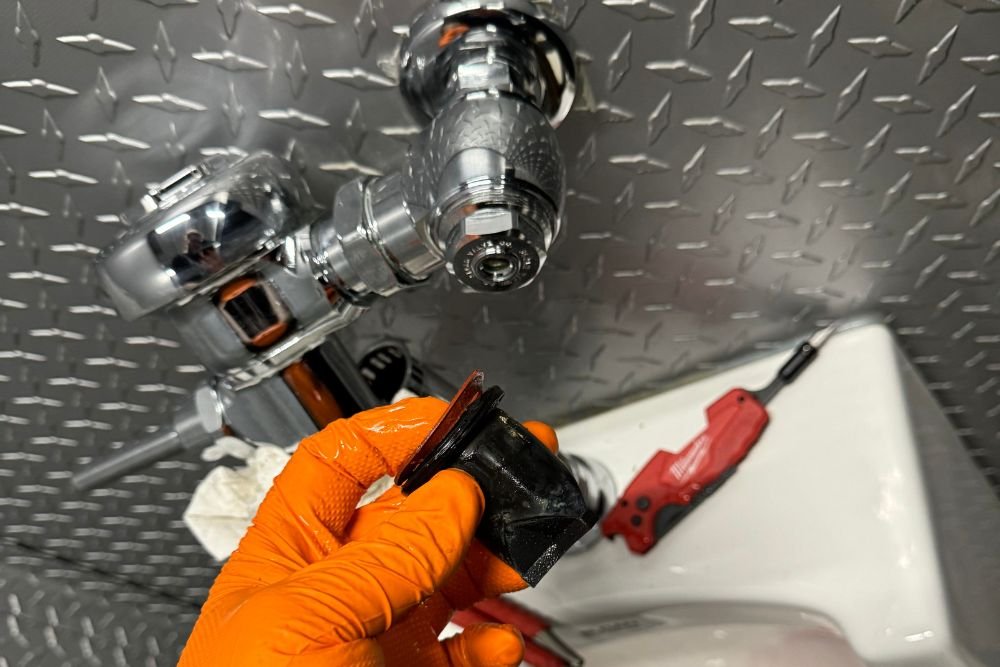
From leak repairs to repiping, our licensed plumbers provide reliable solutions tailored to your home or business needs. We offer a full spectrum of services, including drain cleaning, water heater installation, and emergency repairs, ensuring your system runs efficiently and reliably. Trust our experienced team for professional, high-quality plumbing work every time.
Sewer Repairs & Replacement
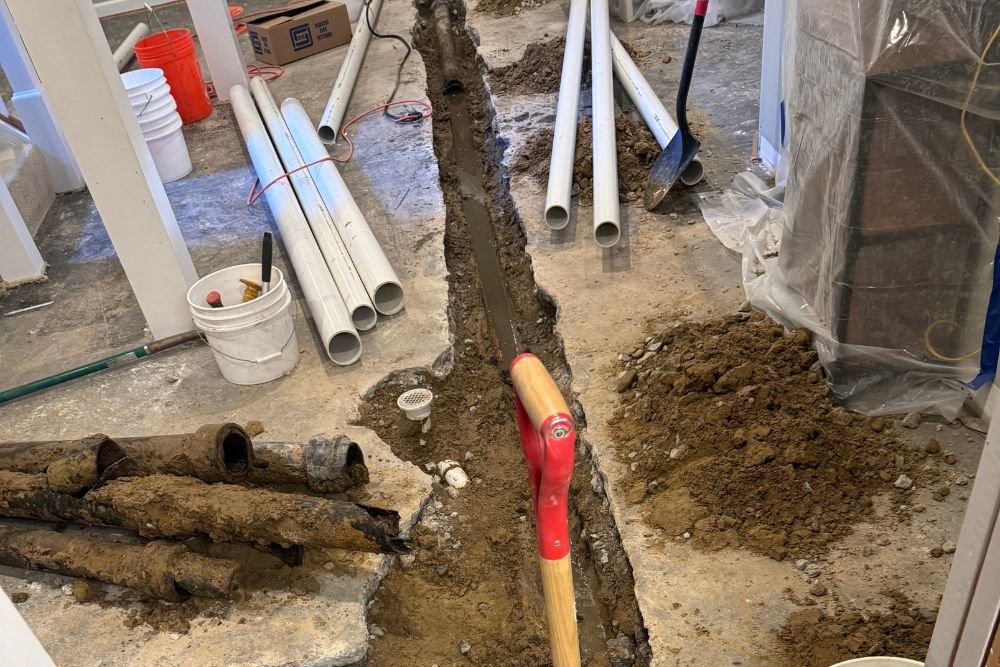
Sewer problems can disrupt your property and pose serious health risks if not handled quickly. At Drain Masters Rooter Plumbing, we specialize in repairing and replacing damaged sewer lines using both traditional and trenchless methods. Whether it’s root intrusion, cracked pipes, or a collapsed line, our team diagnoses the issue with precision and provides the most cost-effective, long-term solution.
Floor Breaks
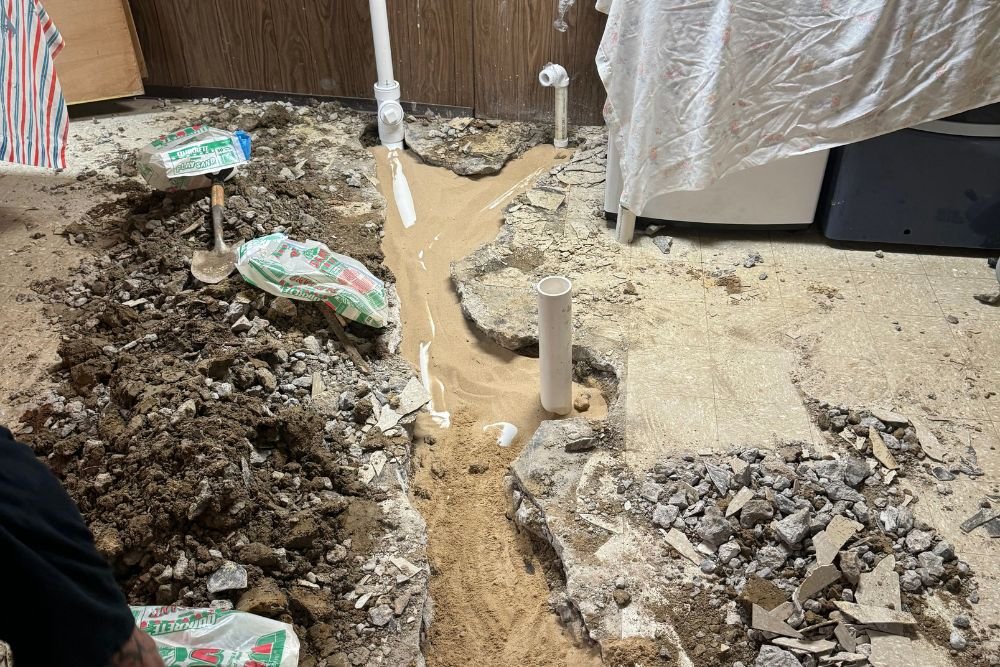
Some plumbing problems hide beneath concrete floors and require specialized access. Our expert floor break services provide safe, controlled openings to reach underground pipes without unnecessary damage. Using professional-grade cutting equipment, we minimize dust, debris, and disruption while exposing only the exact area that needs repair.
Camera Inspections with Video
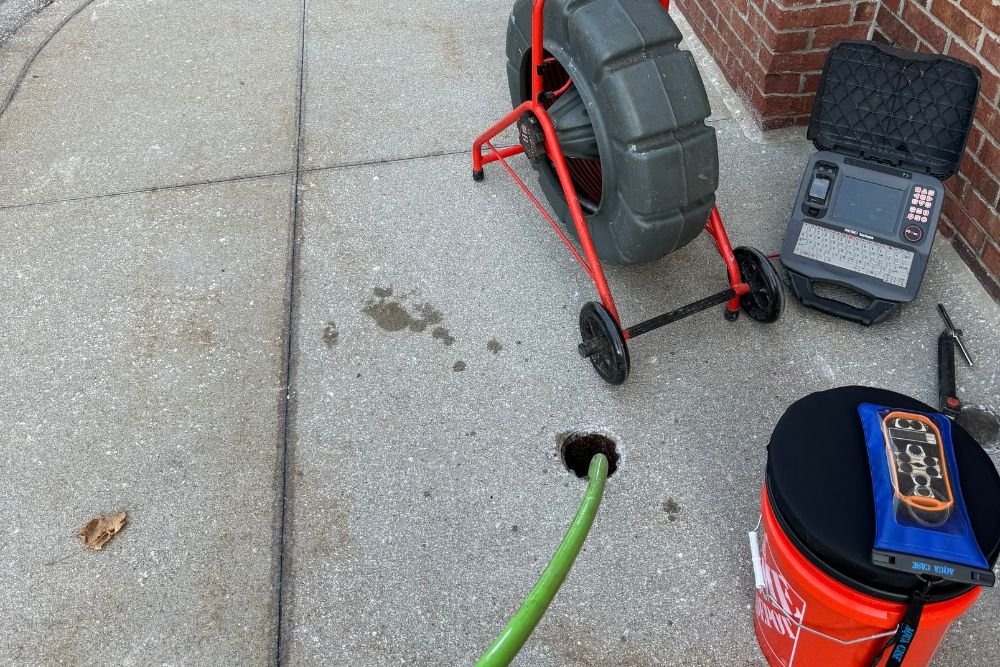
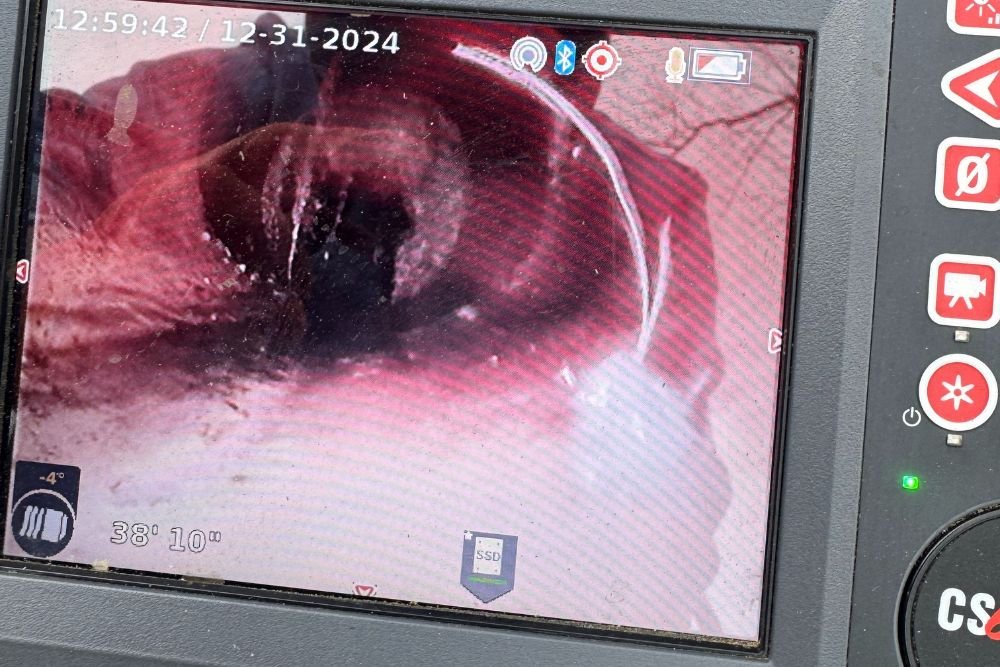
When it comes to plumbing problems, seeing is believing. Our advanced camera inspections provide a real-time, high-definition look inside your pipes, allowing us to identify clogs, cracks, leaks, or root intrusions with pinpoint accuracy. This non-invasive technology eliminates guesswork and prevents unnecessary digging or costly trial-and-error repairs.
Leak Detection
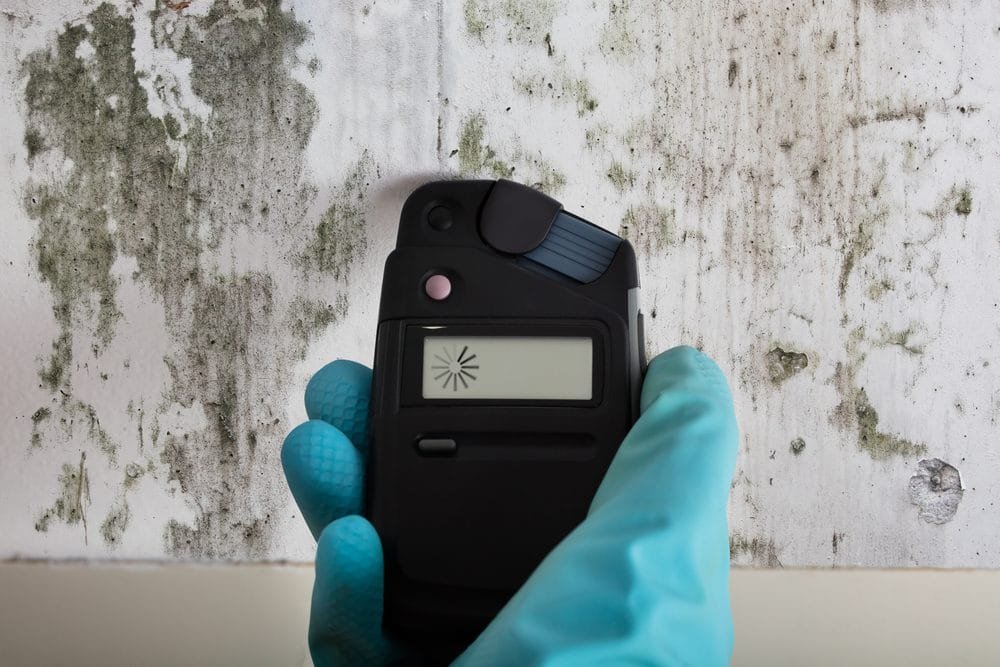
Leaks often remain hidden until they cause expensive water damage, mold growth, or high utility bills. Our leak detection service uses state-of-the-art technology—including electronic listening devices, moisture meters, and thermal imaging—to pinpoint leaks quickly without tearing into walls, floors, or ceilings.
Frequently Asked Questions About Floor Breaks in Madison Heights
Q1. How messy is a floor break?
It’s definitely messy, but we control it as much as possible. Concrete cutting creates dust even with wet cutting methods. We use dust control equipment and seal off work areas with plastic sheeting to contain the mess. We vacuum as we work and do thorough cleanup afterward. You’ll have some dust, but it won’t spread throughout your entire house if we take proper precautions. The bigger mess is the physical disruption of your basement while we’re working. You won’t be able to use that area for a few days.
Q2. Can I stay in my home during a floor break?
Yes, absolutely. Floor breaks don’t require you to leave. There will be noise from the concrete saw and jackhammer. It’s loud. If you work from home or have young kids who nap, you might want to plan around the noisiest parts of the work. But the actual cutting and breaking usually only takes a few hours. The rest of the work is much quieter. We typically work during normal business hours unless you request evening or weekend work.
Q3. What if you find more problems after breaking the floor?
This happens sometimes. We might find additional cracked pipes, improper slopes, or other issues once we expose the plumbing. If we discover problems beyond what we originally quoted, we’ll stop, show you what we found, explain what needs to be done, and give you a price for the additional work before proceeding. You approve everything before we continue. We don’t just do extra work and surprise you with a bigger bill.
Q4. How strong is the new concrete after a floor break?
When done correctly, the patched area is just as strong as your original floor. We use the same concrete mix (or better), we compact the base properly, and we make sure the new concrete bonds well to the existing slab. The seam between old and new concrete is the weakest point, but it’s still plenty strong for normal basement use. You can put furniture, appliances, or storage on the patched area without concerns.
Q5. Will the floor break affect my home’s resale value?
Not negatively, assuming the work is done properly and necessary. Home inspectors look for properly functioning plumbing and code-compliant installations. A floor break that fixed a chronic sewer problem or added a code-compliant ejector system actually increases value by solving problems and bringing systems up to standard. The visible patch in your basement floor just shows that plumbing work was done. Most buyers in Madison Heights understand that older homes require maintenance and repairs.
Q6. Do I need permits for a floor break?
The plumbing work typically requires permits, but the concrete cutting itself usually doesn’t. We handle all permit applications, inspections, and city paperwork. You don’t deal with Madison Heights building department. Permit costs are included in our estimates. Work done without proper permits can cause problems when you sell your home, so we always pull permits when required.
Q7. How do I choose between repairing and replacing under-slab pipes?
If the pipe damage is localized to one spot and the rest of the pipe is in good condition, repair makes sense. If you have a 60-year-old cast iron pipe with multiple problem areas, corrosion throughout, or if you’re dealing with repeated failures, replacement is the better long-term solution. We’ll give you honest recommendations based on what we see. Sometimes spending more now on replacement saves you from doing multiple floor breaks over the next few years for recurring problems. We’ll show you the pipe condition with a camera when possible and explain your options clearly.
Why Choose Drain Masters Rooter for Floor Breaks
We Do the Entire Job
You don’t need to hire a concrete cutter and a plumber separately. We handle everything from breaking the floor to completing plumbing repairs to restoring your concrete. One company, one contract, one point of contact.
We Protect Your Property
Plastic sheeting, dust control, careful removal of belongings, thorough cleanup. We treat your home respectfully and leave it clean.
Licensed Master Plumbers
The plumbing work is done by Michigan licensed master plumbers, not general laborers. We know plumbing codes, proper installation techniques, and how to make repairs that last.
Professional Concrete Work
We’ve restored hundreds of basement floors. We know how to match finishes, achieve proper slopes, and create durable patches that hold up.
Upfront Pricing
Written estimates before we start. You’ll know what the project costs, what’s included, and what the timeline looks like.
We’ve Done This Before
Many times. In homes just like yours throughout Madison Heights. We know what to expect, how to handle complications, and how to complete the work efficiently.
Available for Emergencies
Sewage backing up through your floor drain at 11 PM? We provide 24/7 emergency service. We’ll stop the immediate problem and schedule the floor break as quickly as possible.
Schedule Your Floor Break Consultation
Don’t let under-slab plumbing problems go unfixed. Floor breaks might seem intimidating, but they’re often the only way to permanently solve chronic drain issues, install needed equipment, or bring old systems up to code.
Drain Masters Rooter Plumbing handles floor breaks throughout Madison Heights. We’ll assess your situation, explain your options, provide a detailed estimate, and complete the work professionally from start to finish.
Call us today to schedule a consultation or for 24/7 emergency service. We’ll help you understand what needs to be done and how much it will cost before any work begins.
We Provide