Madison Heights’ Trusted Choice
Professional Leak Detection Services in Madison Heights, MI
Your water bill doubled last month. You hear water running when everything’s turned off. There’s a damp spot on your ceiling that won’t go away. Or you’ve got a wet area in your yard that’s always soggy even when it hasn’t rained.
You’ve got a leak somewhere, but you can’t see it. It’s hidden behind a wall, under your floor, or buried in your yard. You need to find it before it causes thousands of dollars in water damage.
At Drain Masters Rooter Plumbing, we find hidden leaks throughout Madison Heights using professional leak detection equipment. No guessing, no tearing apart your whole house searching. We pinpoint the exact location of leaks using electronic listening devices, thermal imaging cameras, and moisture detection equipment. You’ll know exactly where the leak is before any repair work begins.
Book Your Free Plumbing Consultation
Got a plumbing issue or need a quote? We’re here to help. Contact Drain Masters Rooter Plumbing today for a no-obligation consultation.
Why Hidden Leaks Are a Big Problem
Most people think leaks are obvious. You see water, you know there’s a leak. But that’s not how most leaks work.
Hidden leaks happen behind walls, under concrete slabs, in crawl spaces, or underground. You don’t see them until they’ve been leaking for weeks or months. By then, you’ve wasted hundreds of gallons of water and potentially caused serious damage.
Water from hidden leaks saturates insulation, rots wood framing, damages drywall, creates mold growth, and weakens foundations. The longer a leak goes undetected, the more expensive the damage becomes.
Madison Heights has specific factors that make hidden leaks common. Many homes here were built in the 1950s through 1970s. The copper pipes installed back then develop pinhole leaks after 50+ years. These tiny holes spray water inside walls where you can’t see it.
Homes with concrete slab foundations (common in Madison Heights) can develop slab leaks. These are leaks in pipes running underneath your basement floor or foundation slab. You don’t see the water because it leaks into the ground beneath your house. But you’ll notice wet spots on floors, cracks in your foundation, or unexplained spikes in your water bill.
Signs You Have a Hidden Leak
Your water bill increased with no explanation. If your usage jumps significantly but you haven’t changed your habits, you’re probably leaking water somewhere.
You hear water running when nothing’s on. Turn off all faucets, appliances, and fixtures. If you still hear water running through pipes, something’s leaking.
Your water meter keeps spinning. Turn off all water in your house. Check your water meter. If the meter is still moving, water is flowing somewhere. That’s a leak.
Wet spots, stains, or discoloration on walls or ceilings. Water from hidden pipe leaks eventually shows up as damp spots, stains, or bubbling paint on walls and ceilings.
Musty odors or mold growth. Hidden water leaks create perfect conditions for mold. If you smell musty odors or see mold growing, there’s moisture somewhere it shouldn’t be.
Warped, buckling, or soft floors. Floors that feel soft, sag, or show warping often have water damage underneath from hidden leaks.
Cracks in your foundation or walls. Slab leaks can cause foundations to shift, crack, or settle unevenly.
Hot spots on your floor. If your floor feels warm in certain spots, you might have a hot water line leaking beneath it.
Unusually green or lush patches in your yard. Water leaking underground acts as irrigation. You’ll see extra-green grass or plants growing better in that spot.
Low water pressure suddenly. If your water pressure drops throughout the house, a major leak might be diverting water before it reaches your fixtures.
Our Leak Detection Process
We don’t tear apart your house looking for leaks. We use technology to find them first.
Step 1: Initial Consultation
We ask about your symptoms. When did you first notice the problem? Where do you hear water? Which areas look wet or damp? This helps us narrow down likely leak locations.
Step 2: Visual Inspection
We check visible pipes, fixtures, and connections. Sometimes leaks are obvious once you know where to look. We inspect water heaters, supply lines, drain connections, and any exposed plumbing.
Step 3: Water Meter Test
We turn off all water in your house and watch your meter. If it’s still running, you’ve got a leak. This confirms there’s a problem before we start using detection equipment.
Step 4: Electronic Listening
We use acoustic leak detection equipment that amplifies the sound of water escaping from pipes. Different leak types make different sounds. Pinhole leaks make a high-pitched hiss. Larger breaks make rushing sounds. We wear headphones and move the listening device along walls, floors, and ceilings until we hear the leak.
Step 5: Thermal Imaging
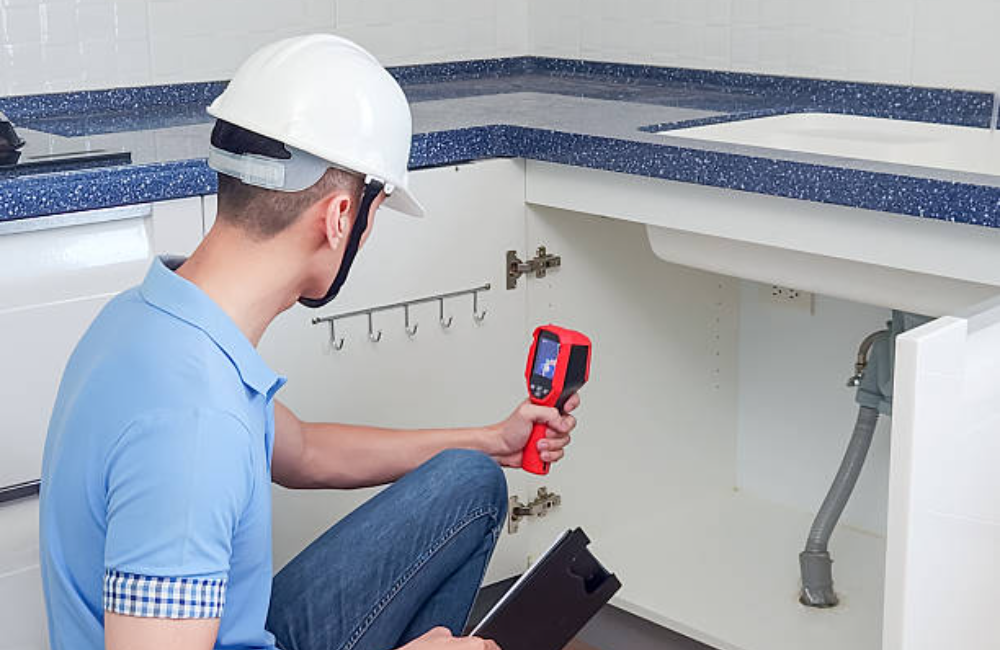
Infrared cameras detect temperature differences. Water leaking from hot water lines shows up as warm spots on walls or floors. Cold water leaks show up cooler than surrounding areas. The thermal camera creates a heat map that highlights problem areas.
Step 6: Moisture Detection
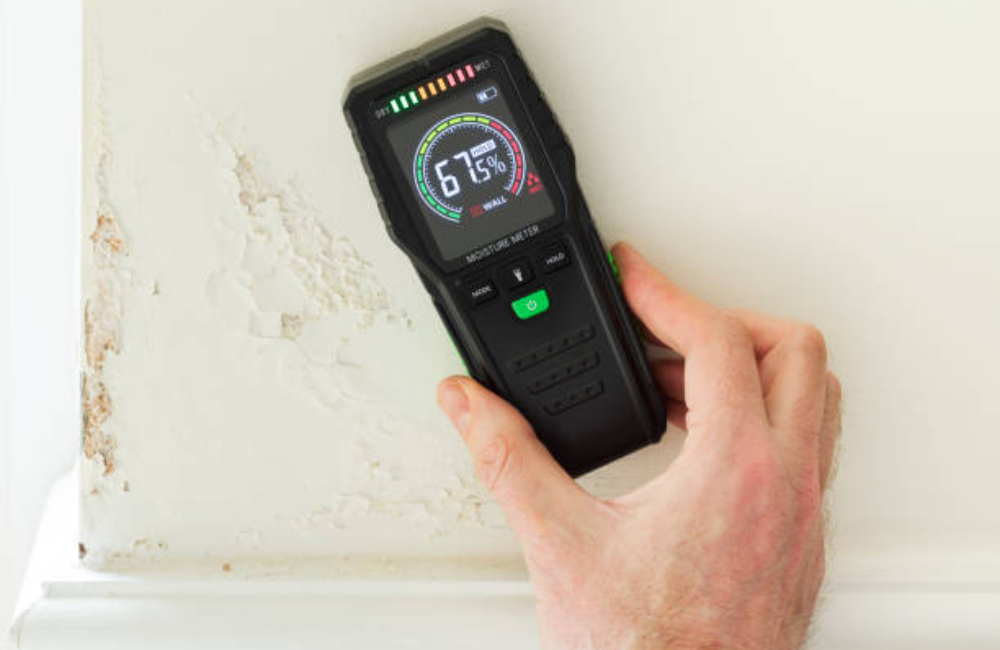
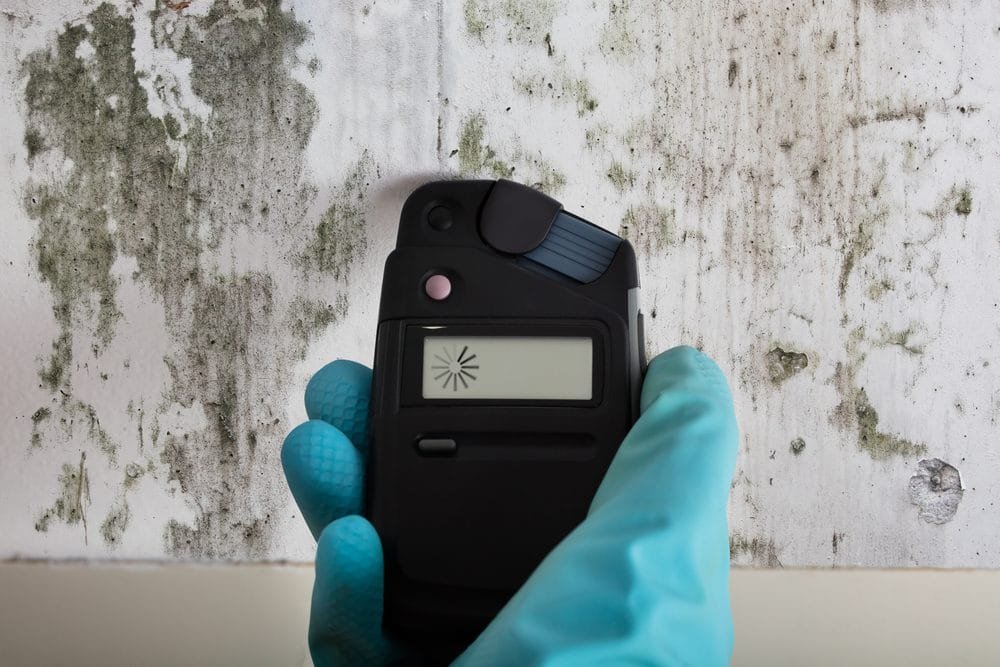
We use moisture meters to measure water content in walls, ceilings, and floors. High moisture readings indicate where water is accumulating from hidden leaks. We scan large areas quickly and mark spots with elevated moisture.
Step 7: Pressure Testing
For slab leaks or underground leaks, we sometimes use pressure testing. We pressurize your water lines and monitor for pressure drops. Pressure drop indicates a leak. We can isolate specific sections to narrow down the location.
Step 8: Pinpoint the Exact Location
Once we identify the general area, we use multiple methods to pinpoint the leak within inches. We mark the spot on your wall, floor, or ceiling. Now you know exactly where to cut for repairs instead of tearing apart large sections searching.
Step 9: Provide Documentation
We document everything with photos, thermal images, and written reports. You get a complete record of what we found and where the leak is located. This is useful for insurance claims or when hiring repair contractors.
Types of Leaks We Detect
Slab Leaks
Slab leaks happen under concrete floors. The pipes buried in or beneath your foundation slab develop leaks. You can’t see them, but they cause foundation damage, high water bills, and wet floors. We find slab leaks using acoustic equipment and thermal imaging, then mark the exact spot so repairs can be made with minimal concrete removal.
Pinhole Leaks in Copper Pipes
Copper pipes develop tiny pinhole leaks as they age. These holes are smaller than a pencil tip but spray water constantly. Over months, they damage walls, ceilings, and insulation. We locate pinhole leaks by listening for the characteristic high-pitched sound they make.
Behind-Wall Leaks
Supply line leaks behind walls are common in older Madison Heights homes. The leak might be at a connection, a corroded section of pipe, or a pinhole. We find these without cutting large holes in your walls.
Underground Leaks
Main water line leaks between the street and your house happen underground. You might notice wet spots in your yard, sinkholes, or unexplained water bills. We locate underground leaks using acoustic methods and ground-penetrating equipment.
Toilet Leaks
Toilets can leak around the base where water seeps under flooring. These leaks cause rot and water damage to subfloors. We detect moisture beneath toilets and surrounding areas.
Shower and Tub Leaks
Shower pans and tub surrounds leak at drain connections or through cracked pans. Water leaks into floor joists and causes extensive hidden damage. We find shower leaks using moisture detection and thermal imaging.
Water Heater Leaks
Water heaters can leak from the tank, connections, or relief valves. Small leaks go unnoticed until they cause floor damage or rust. We inspect water heaters thoroughly and detect moisture around them.
Gas Leaks
We also detect gas leaks using electronic gas detectors. Gas leaks are dangerous and require immediate attention. We locate the source and help you get it repaired quickly.
Why Leak Detection Saves You Money
Finding leaks early prevents major damage. A small leak might waste 20-30 gallons per day. That adds up to 600-900 gallons per month. At Madison Heights water rates, you’re paying for water you’re not using.
More importantly, water damage is expensive. Replacing drywall costs $1,500-$3,000. Mold remediation costs $2,000-$6,000. Foundation repairs cost $4,000-$15,000. Fixing a leak before it causes this damage saves thousands.
Leak detection also prevents unnecessary demolition. Without detection equipment, finding a hidden leak means cutting holes in walls, removing sections of flooring, or breaking up concrete until you find the problem. That’s expensive, messy, and time-consuming. Detection equipment finds leaks with minimal or zero demolition.
Leak Detection for Home Buyers
Buying a home in Madison Heights? Get a leak detection inspection before closing.
Standard home inspections check visible plumbing, but they don’t find hidden leaks. A home might look perfect but have slab leaks, underground leaks, or behind-wall leaks that will cost you thousands after you move in.
We inspect homes for buyers regularly. We find hidden leaks about 20% of the time. Use that information to negotiate with the seller, ask for repairs before closing, or budget for needed work.
A $300 leak detection inspection can reveal $5,000 worth of plumbing problems. That’s money well spent.
How Much Does Leak Detection Cost?
Basic residential leak detection costs $200 to $400 depending on what we’re looking for and how long it takes to locate.
Slab leak detection costs $300 to $600 because it requires more specialized equipment and time.
Underground main line leak detection costs $250 to $500.
Many insurance companies cover leak detection costs when you file a claim for water damage. Check your policy. The detection service might be reimbursable.
If you hire us for the repair after detection, we often apply the detection fee toward the repair cost. You’re paying for answers either way.
The detection cost is minimal compared to what you save by finding leaks early and making targeted repairs instead of exploratory demolition.
Emergency Leak Detection
Major leaks don’t wait for business hours. A burst pipe flooding your house at 2 AM needs immediate attention.
We provide 24/7 emergency leak detection throughout Madison Heights. When water is actively causing damage, we’ll find the source and help you stop it quickly.
Emergency service costs more than scheduled appointments, but when water is pouring into your home, you need answers immediately.
Reviews
What Our Clients Say


Contact Info
Location
33044 Mound Rd
Sterling Heights, MI 48312
Phone
586-942-3330
Our Services
Our Plumbing Services in Sterling Heights
Drain Cleaning
Clogged drains are more than just an inconvenience—they can lead to costly damage if left untreated. Our expert plumbers use advanced tools to quickly and effectively remove blockages in sinks, tubs, and toilets. With routine drain cleaning, you can avoid backups and ensure your system flows smoothly year-round.
Jetting
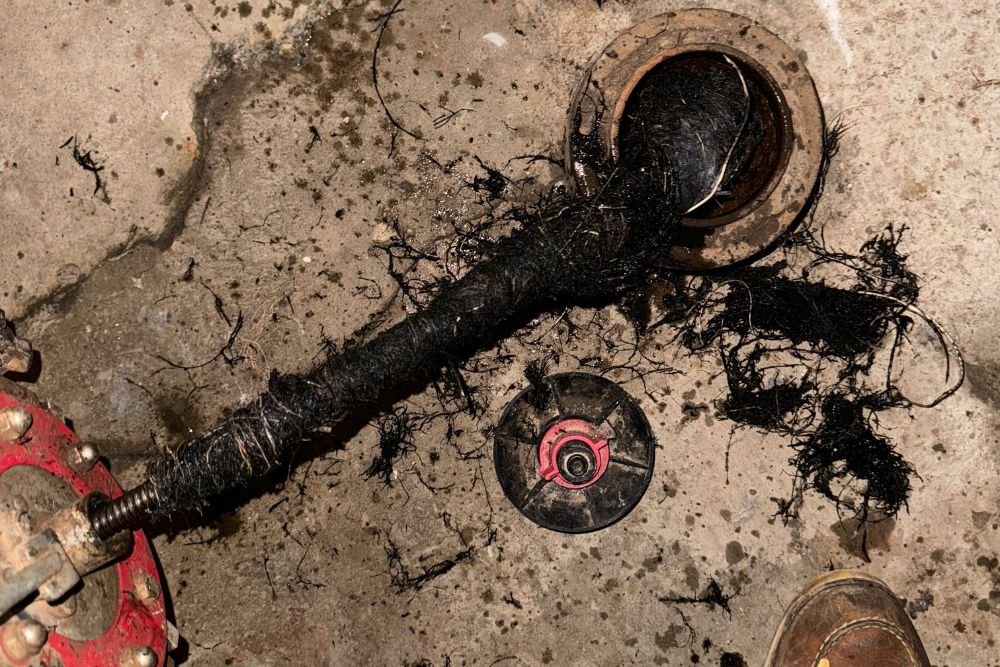
When standard cleaning isn’t enough, high-pressure jetting gets the job done. We use state-of-the-art equipment to blast away grease, sludge, roots, and debris from inside your pipes. This powerful method not only clears current blockages but also helps prevent future clogs, making it an ideal solution for long-term plumbing health.
Plumbing
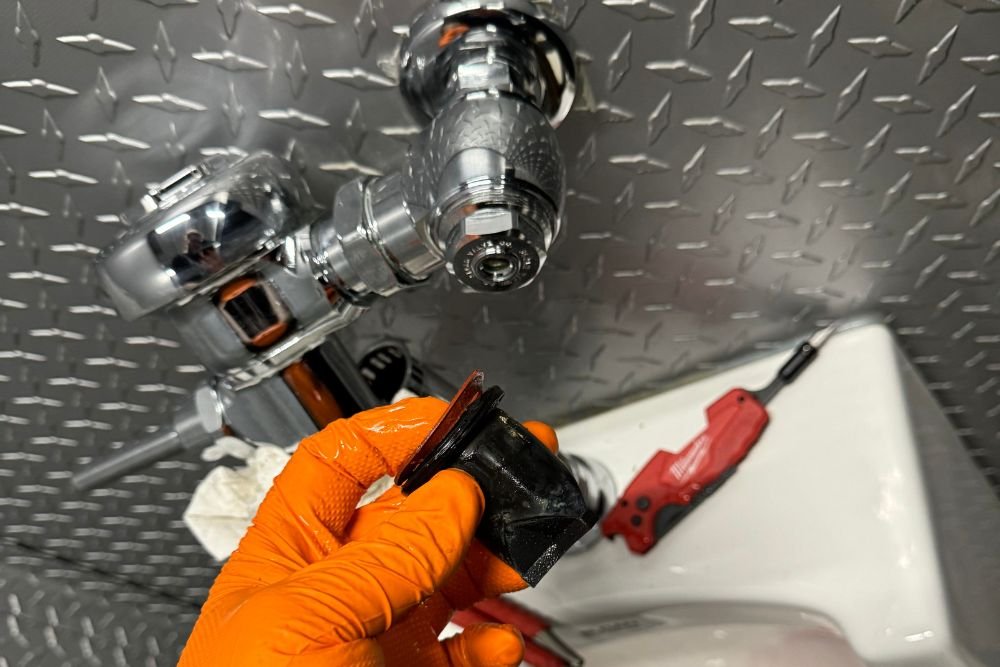
From leak repairs to repiping, our licensed plumbers provide reliable solutions tailored to your home or business needs. We offer a full spectrum of services, including drain cleaning, water heater installation, and emergency repairs, ensuring your system runs efficiently and reliably. Trust our experienced team for professional, high-quality plumbing work every time.
Sewer Repairs & Replacement
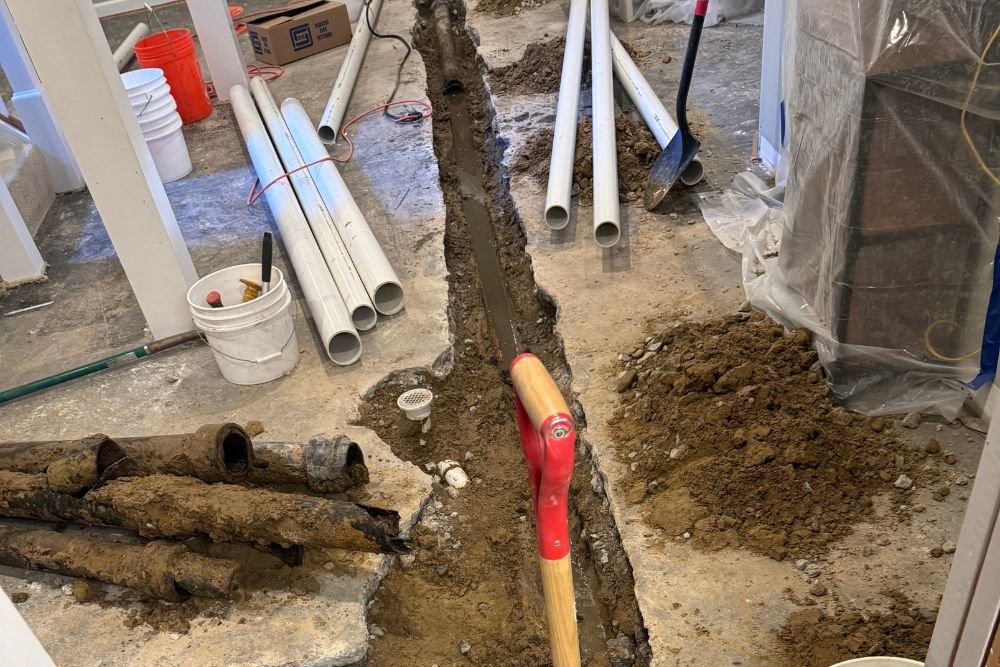
Sewer problems can disrupt your property and pose serious health risks if not handled quickly. At Drain Masters Rooter Plumbing, we specialize in repairing and replacing damaged sewer lines using both traditional and trenchless methods. Whether it’s root intrusion, cracked pipes, or a collapsed line, our team diagnoses the issue with precision and provides the most cost-effective, long-term solution.
Floor Breaks
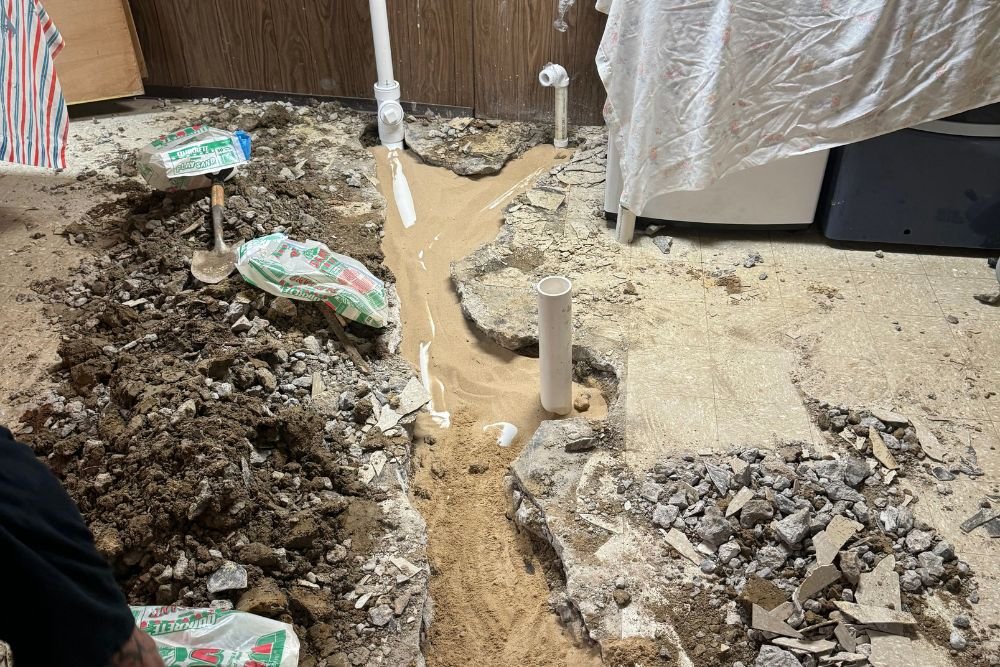
Some plumbing problems hide beneath concrete floors and require specialized access. Our expert floor break services provide safe, controlled openings to reach underground pipes without unnecessary damage. Using professional-grade cutting equipment, we minimize dust, debris, and disruption while exposing only the exact area that needs repair.
Camera Inspections with Video
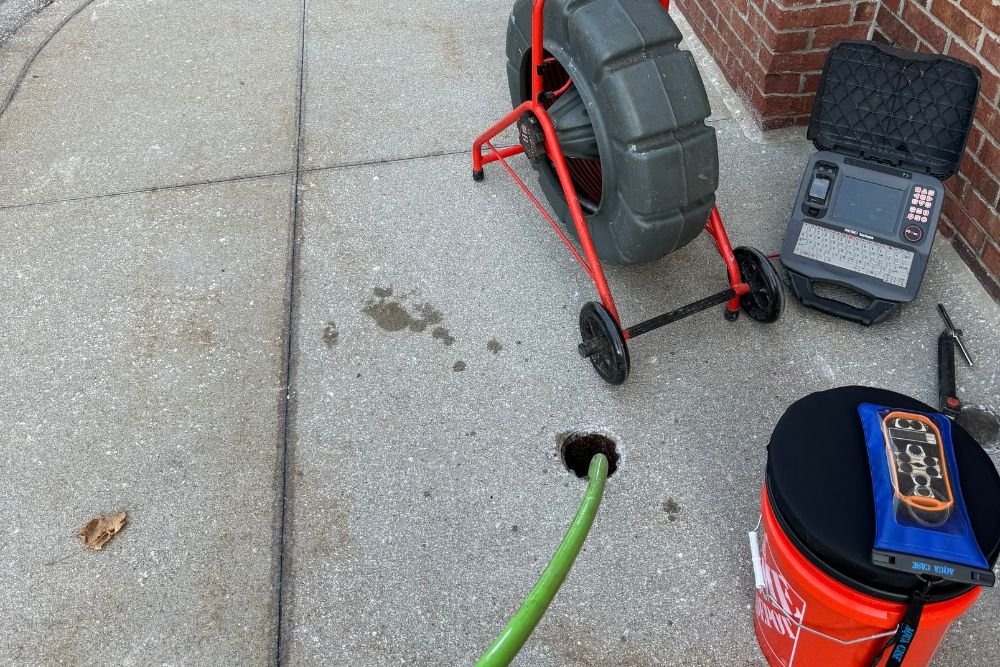
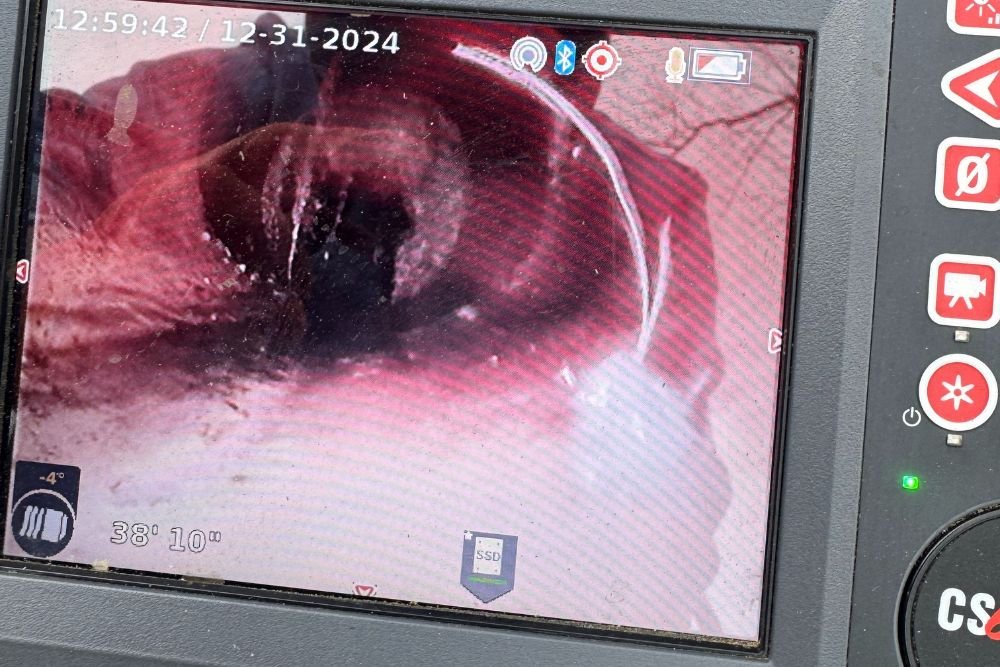
When it comes to plumbing problems, seeing is believing. Our advanced camera inspections provide a real-time, high-definition look inside your pipes, allowing us to identify clogs, cracks, leaks, or root intrusions with pinpoint accuracy. This non-invasive technology eliminates guesswork and prevents unnecessary digging or costly trial-and-error repairs.
Leak Detection
Leaks often remain hidden until they cause expensive water damage, mold growth, or high utility bills. Our leak detection service uses state-of-the-art technology—including electronic listening devices, moisture meters, and thermal imaging—to pinpoint leaks quickly without tearing into walls, floors, or ceilings.
Frequently Asked Questions About Leak Detection in Madison Heights
Q1. Can you really find leaks without tearing apart my house?
Yes, that’s exactly what leak detection equipment is designed to do. Our acoustic listening devices hear water escaping from pipes through walls and floors. Thermal imaging sees temperature differences caused by water. Moisture meters detect water content in building materials. We combine these methods to pinpoint leak locations without demolition. Once we’ve marked the spot, any necessary cutting is minimal and targeted. You’re not tearing apart entire walls or floors searching blindly.
Q2. How accurate is leak detection?
Our equipment locates leaks to within a few inches in most cases. We mark the exact spot where you need to cut for repairs. It’s not perfect every time because buildings have complex structures and pipes take unexpected paths, but we’re accurate enough that repair contractors can go straight to the problem. Compare that to guessing, which often means cutting multiple holes before finding the leak.
Q3. What if you can’t find the leak?
This is rare, but it happens. Some leaks are intermittent or too small for our equipment to detect reliably. If we can’t locate a leak, we’ll tell you honestly. We don’t charge you for unsuccessful detection attempts. We might recommend monitoring the situation or trying again when the leak gets worse and easier to detect. We never pretend we found something when we didn’t.
Q4. Will my insurance cover leak detection?
Many homeowner’s policies cover leak detection as part of investigating a covered loss. If you’re filing a claim for water damage, leak detection to find the source is often reimbursable. Check your specific policy or call your insurance company. Every policy is different. Keep all receipts and documentation from our service for your claim.
Q5. How long does leak detection take?
Simple leak detection for a suspected pipe behind a wall takes 1-2 hours. More complex situations like slab leaks or hidden underground leaks can take 2-4 hours. We work systematically through your home, checking likely areas first. If we find the leak quickly, you pay less. If it’s harder to locate, it takes more time. We’ll give you time estimates based on what we’re looking for.
Q6. Should I get leak detection even if I’m not sure there’s a leak?
If you’re experiencing any of the warning signs (high water bills, running water sounds, wet spots, mold growth), yes, get detection service. Waiting doesn’t make leaks better. They only get worse and cause more damage. If you’re buying a home, leak detection is smart preventive service. For general peace of mind on a newer home with no symptoms, detection probably isn’t necessary. Trust your instincts. If something seems wrong, investigate it.
Q7. Can you detect leaks in winter when pipes are frozen?
Frozen pipes complicate leak detection. If the pipe is frozen solid with no water flowing, we can’t hear the leak or detect moisture patterns. We can often detect leaks in unfrozen sections. For frozen pipes, the priority is thawing them safely before they burst, then detecting any damage afterward. Michigan winters create unique challenges, but we work year-round and adapt our methods to conditions.
Why Choose Drain Masters Rooter for Leak Detection
Professional Detection Equipment
We invest in quality equipment: acoustic listening devices, thermal imaging cameras, moisture meters, and pressure testing equipment. This isn’t hardware store stuff. It’s professional-grade technology that finds leaks reliably.
Experienced Leak Detection Specialists
Our plumbers are trained in leak detection methods. They understand how water moves through buildings, where pipes typically run, and how different leak types present. Experience matters when interpreting equipment readings.
No Demolition Until We Find It
We don’t start cutting holes hoping to find leaks. We locate them first with detection equipment, then make targeted repairs. This saves you money and reduces damage to your home.
Complete Documentation
You get photos, thermal images, and written reports documenting what we found. This helps with insurance claims and provides a permanent record of your home’s condition.
Licensed Master Plumbers
Leak detection requires plumbing expertise. Our Michigan licensed master plumbers understand pipe systems, can interpret what they’re seeing, and can complete repairs if needed.
We Know Madison Heights Homes
We’ve detected leaks in hundreds of Madison Heights properties. We know the common problems in older homes: pinhole leaks in copper, slab leaks in foundation, and underground main line failures. Local experience helps us work faster.
Available for Emergencies
Major leaks don’t wait. We provide 24/7 emergency leak detection when you need immediate answers.
Schedule Your Leak Detection Service Today
Don’t let hidden leaks damage your home. High water bills, damp spots, musty odors, and unexplained water sounds all need investigation. Find the problem now before it causes expensive damage.
Drain Masters Rooter Plumbing provides accurate, non-invasive leak detection throughout Madison Heights. We’ll find your leak, document it thoroughly, and explain your repair options clearly.
Call us today to schedule leak detection or for 24/7 emergency service. Get answers, not guesswork.
We Provide